新浪博客

瑜伽日:《薄伽梵歌》建议一定要做这三种瑜伽!

2016-03-22 13:02阅读:
Yoga Day: Bhagavad Gita recommends doing these 3 'yoga' for sure!
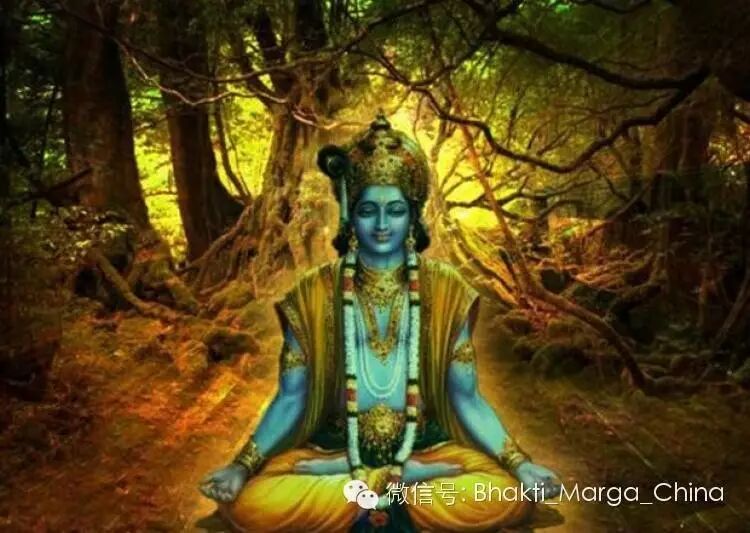
瑜伽日:《薄伽梵歌》建议一定要做这三种瑜伽!

古印度的圣经《薄伽梵歌》是瑜伽爱好者的珍宝。这部神圣的经书通过18章共700个诗节来讲述人生的超脱方式,其中三章还就几种有助于改善人的生活形态的不同类型的瑜伽做了详尽描述。
The ancient scripture of Hindus – Srimad Bhagavad Gita is a treasure for ‘yoga' lovers. The holy scripture speaks about the detached way of life through its 700 ‘shlokas' divided in 18 chapters. Three chapters also have an elaborate description about different types of ‘yoga
', which can helpful in improving one's lifestyle.
这部古时的修道作品,据说书写于公元二世纪,它采用叙事手法描述了阿周那和主奎师那之间的讨论。在阿周那无法决定是否应该与背信弃义的亲人作战时,圣主劝诫他摆脱困惑。
The olden religious writing, said to be written in second century, is a narrative weaved from the discussion between Arjuna and Lord Krishna. The divine lord advises him through the time of quandary when he is unable to decide whether he should fight with his treacherous relatives or not.
《薄伽梵歌》提倡的三种类型的瑜伽是:业瑜伽,巴克提瑜伽和智瑜伽。
The three types of ‘yoga' advocated by Bhagavad Gita are – KarmaYoga, Bhakti Yoga and Jnana Yoga.
让我们来了解它们都是什么:
Let'sunderstand what all them mean


1)业瑜伽
Karma Yoga
瑜伽日:《薄伽梵歌》建议一定要做这三种瑜伽!

业瑜伽来自“Karma(业力)”一词,意思是行动。《薄伽梵歌》说,一个人应当无私地行动,而不执着于行为的结果。
Karma Yoga comes from ‘Karma', which means action. Bhagavad Gita says that one should act selflessly without attaching himself or herself with the outcome.


它主张,一个人需要不考虑行动的结果是正面还是负面,带给人幸福还是充满悲伤,从中受益还是极度失落,他应该就只是去做,把结果留给至上的灵魂。
The scripture advocates that one should not think whether the result of the action will be positive or negative, happiness-giving or full of sorrows, benefitting or utter loss, one should simply do it; leaving the result to the Supreme Soul.


经文原文如下:
This is what the scripture says
'tasmad asaktah satatam karyam karma samacara asakto hy acaran karma param apnoti purushah'


《薄伽梵歌》还说,一个人不应该对完成任务或者这任务会带来什么附加情感。它建议,要想过灵性的生活,人应该就只是去完成“业”,而把其余的留给神。
Gita alsosays that one should not be attached emotionally with the task being done orwhat would come out of it. It simply advises that in order to live a spiritual life, one should simply do the ‘karma' and leave the rest on God.

2)巴克提瑜伽

Bhakti Yoga

瑜伽日:《薄伽梵歌》建议一定要做这三种瑜伽!

被认为是最早的“瑜伽”形式之一,巴克提瑜伽意味着无私地做主的“巴克提”(奉献),这意味着无私地崇敬神。
Considered as one of the easiest forms of ‘yoga', Bhakti yoga means doing ‘bhakti' of lord selflessly. This means revering God altruistically.


据说,这种形式的瑜伽甚至可以在日常生活中修炼,通过这种形式的瑜伽,人无需抛弃一切或者遵循严格的戒律来获得救赎。
It is said that this form of yoga can be practised even in regular life as one does not need to leave everything or follow a rigorous regime in order to attain salvation through this form of ‘yoga'.


这种形式的瑜伽只是建议一个人全神贯注于至上的灵魂。它建议人在自身的灵魂中感受至上的力量,反之亦然。它告诉人们要让大脑专注于“我”,比如至尊主奎师那。
This form of yoga simply advises one to get absorbed in the supreme soul. It advises to feel that supreme power into ones own soul and vice versa. It asks to always keep the mind engaged in ‘me' i.e. the supreme lord – Lord Krishna.


为此,它谈到了9种不同形式的“巴克提”,如:
For this ittalks about 9 different forms of ‘Bhakti' like


Shravana,意思是聆听奎师那和他的同伴的圣典故事
Kirtana,通过在人群中颂唱赞歌来赞美祂
Smarana,始终铭记祂
Pada-seva为祂服务
Archana敬拜神的某个形象
Vandana,礼敬祂
Dasya,在我们的日常职责中服务祂
Sakhya建立与祂的友爱关系
Atma-nivedana全然臣服于祂,始终处于神性意识状态
Shravana , meanslistening to the scriptural stories of Krishna and his companions
Kirtana, praising Lord by singing songs in praise of Him in a group
Smarana, thinkingor fixing the mind upon Him
Pada-seva, renderingservice unto Him
Archana, worshippingan image of Lord
Vandana, paying homage
Dasya, servitude
Sakhya, friendship
Atma-nivedana, surrendering oneself completelyunto Him


一个人可以采用任何一种或者所有9种或者其中一部分的组合来达到救赎。
One can useany of these forms and all or some of these combined as well to attainsalvation.

3)智瑜伽
Jnana Yoga
瑜伽日:《薄伽梵歌》建议一定要做这三种瑜伽!

《薄伽梵歌》谈到的最后一种瑜伽是“智瑜伽”或者“知识瑜伽”,通过它,一个人可以达到救赎。与其他两种瑜伽形式不同,它主张要了解绝对真相,即梵。
This last yoga of Bhagavad Gita talks about ‘Jnana' or ‘knowledge' through which one canattain salvation. Unlike the other two forms, this one advocates to know the absolute, the Brahman.


与其他两个相同的是,它不建议去练习冥想的一种形式,而要求人们知道一个行为背后的行为者的名字和形式,并以其个人本性理解他。
Like the other two, it does not advise to practice a form of meditation. Rather it asks to know beyond name and form of the doer of an act and understand him as per his nature.


它阐明,一个人可以通过知晓两件事的本质来认识至上,一个是“kshetra”,即身体,另一个是 “kshetrajna”,即灵魂。当人能够很好理解这两件事的本质和这两者的区别,他或她也开始了解梵,并因此走上“解脱”或“救赎”之路。
It elucidates that one can know the supreme by knowing the nature of two things –‘kshetra' – the body and ‘kshetrajna' – the soul. When one gets to understand the nature of these two well and how these two are different from each other, he or she also starts understanding the Brahman and hence gets on his journey of Moksha' or ‘salvation'.

我的更多文章

下载客户端阅读体验更佳

APP专享