近四千家美国汽车经销商恳求拜登总统放慢电动汽车的推动速度
2023-11-29 11:03阅读:
他们列举了电动汽车推广的一些潜在问题,但可能只是想避免不得不降价和获利
作者:
斯蒂芬·里弗斯(Stephen
Rivers)
5小时前
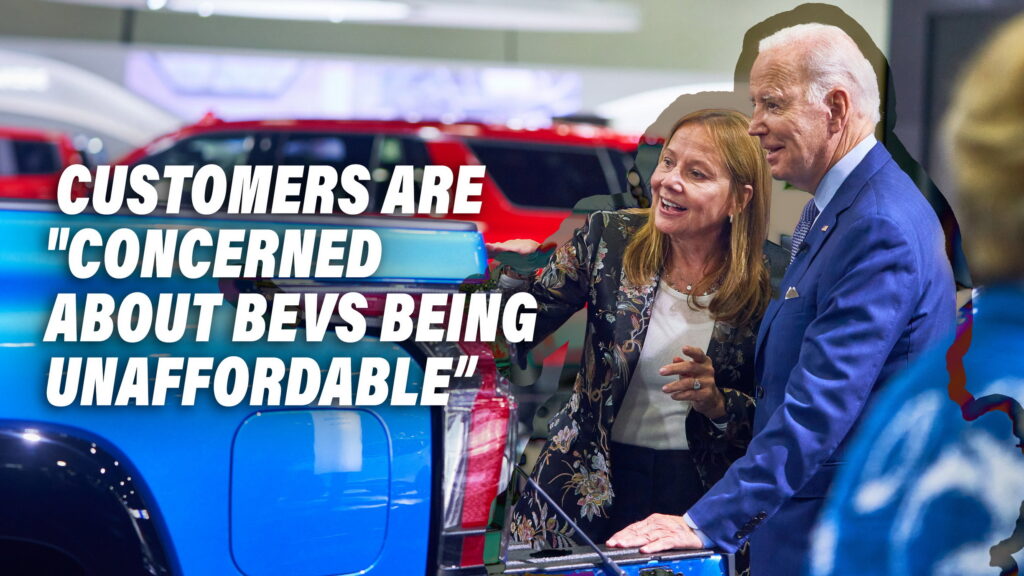
一个由3,882家
经销商组成的团体给拜登总统写了一封信,恳求他放宽未来对电动汽车销售的要求。他们列举了他们对他的政府授权的一些担忧。有些是真诚的问题,但这封信可能不仅仅是利他主义的经销商关心他们的客户。
在 2023 年 11 月 28 日的信中,经销商表示,虽然 BEV 对许多人来说是理想的,但“今天的需求跟不上大量涌入我们经销商的
BEV。他们接着说,根据当前和预测的客户需求,这些规定是不现实的。有一次,这封信甚至谈到了没有人比他们更了解汽车客户。
至少在经销商看来,手头的主要问题包括
充电基础设施。无法在家中充电的客户必须依靠公共网络,这并不令人惊讶。此外,他们表示,客户“担心BEV负担不起”。一些客户不得不应对可能减少续航里程的恶劣天气。其他人必须开得太远,以至于充电通常不太实用。还有一些人必须拖曳,我们都知道电动汽车的情况如何。
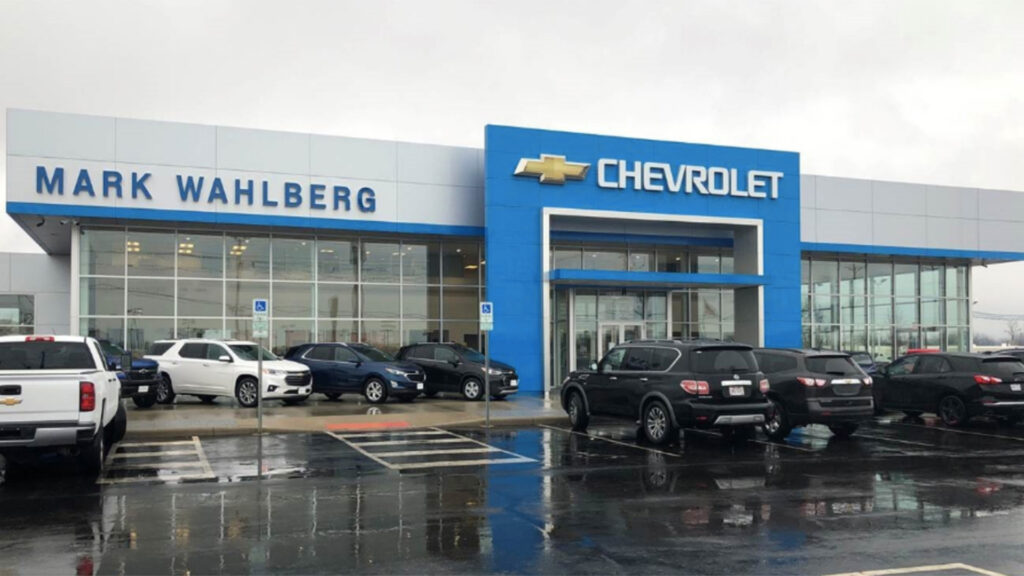
其中一些观点确实代表了真正的挑战。没有足够的充电可能是电动汽车最大的问题。
正如我们之前所指出的,缺乏家庭充电解决方案也带来了巨大的挑战。拖曳仍然是一个问题,但
RAM可能在
RAMCharger设置中占有一席之地。一些电动汽车在恶劣天气下确实很挣扎,但其他电动汽车根本没有问题,所以客户意识可能是这里更大的问题。尽管如此,这里的东西比经销商让你相信的要多。
请记住,这些经销商可能会自吹自擂为“小企业”,但根据美国国家经济研究局的一项研究,“蓝领富豪”的前百分之一是汽车经销商。2019
年,20% 的汽车经销商的车主(不是经销商本身)的年收入超过 150 万美元。
经销商每年投入数千万美元进行游说,旨在影响土地法规、许可,以及最近倡导禁止直销。他们真的不喜欢竞争,他们很乐意在前期花钱,以确保他们不会在后端损失现金。也许经销商可以自己解决他们所表达的“负担不起”的担忧。
另一项研究发现,仅经销商加价就占了美国与汽车价格相关的所有通货膨胀的
35-60%。我不是经济学家,但我认为,如果经销商大幅降价并开始试图争夺业务,而不是在新车上贪婪地加
价,他们可能会卖出更多的新车。当然,那么他们在过去几年中喜欢的那些甜蜜的、甜蜜的、价格欺诈的利润就会枯竭。我们不能那样做,不是吗?
您可以在下面完整阅读这封信,或访问经销商
在此处共享的网站。
主要图像 通用汽车 / 雪佛兰
致总统的一封信
尊敬的总统先生,
我们是来自全国各地的汽车经销商,他们共同销售美国的每个主要品牌。我们是雇用数千名美国人的小企业。我们坚定地致力于我们所服务的客户和我们经营所在的社区,这就是为什么我们要求您放慢拟议的强制电池电动汽车
(BEV) 生产和分销的法规。
您的政府提出了一些法规,基本上要求向电池电动汽车(BEV)进行大幅转变,并在2032年之前逐年增加,届时在美国销售的每三辆汽车中就有两辆必须是电池电动汽车。
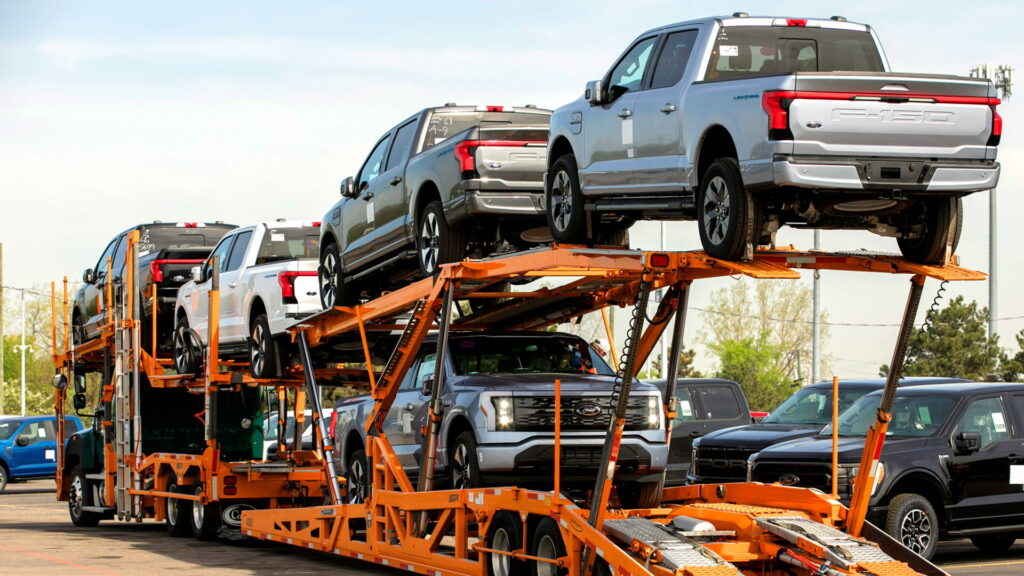
目前,有许多优秀的纯电动汽车可供消费者购买。这些车辆是许多人的理想选择,我们相信它们的吸引力会随着时间的推移而增长。然而,现实情况是,今天的电动汽车需求跟不上现行法规促使大量涌入我们经销商的纯电动汽车。BEV在我们的地段上堆积如山。
去年,人们对电动汽车充满希望和炒作。早期采用者形成了一条初始线路,并准备在我们出售这些车辆后立即购买它们。但这种热情已经停滞不前。如今,未售出的
BEV
供应量激增,因为它们的销售速度远不如到达我们经销商的速度——即使有大幅降价、制造商激励措施和慷慨的政府激励措施。
虽然这些法规的目标令人钦佩,但它们需要消费者的接受才能成为现实。随着时间的流逝,越来越明显的是,根据当前和预测的客户需求,这种尝试电动汽车的授权是不现实的。电动汽车已经堆积在我们的地段上,这是我们在市场上客户需求的最佳指标。
总统先生,没有政府机构,没有智囊团,也没有民意调查公司比我们更了解汽车客户。我们每天都与客户交谈。作为零售汽车经销商,我们对销售的产品是不可知的。我们的业务是为客户提供满足其预算和生活方式需求的车辆。
一些客户在市场上购买电动汽车,我们很高兴能出售它们。但大多数客户根本没有准备好做出改变。他们担心BEV负担不起。许多没有用于家庭充电的车库或方便使用公共充电站。客户还担心在寒冷或炎热的天气中失去续航里程。有些人每天通勤时间很长,没有多余的时间给电池充电。卡车购买者尤其对牵引时范围的急剧损失望而却步。今天的技术不足以满足我们大多数消费者的需求。
我们的制造商可以而且将要解决其中许多挑战,但其中许多挑战超出了他们的控制范围。可靠的充电网络、电网稳定性、材料采购以及许多其他问题需要时间来解决。最后,许多人只想自己选择适合自己的车辆。
总统先生,现在是时候对不切实际的政府电动汽车授权踩刹车了。留出时间让电池技术进步。留出时间让 BEV
更实惠。留出时间开发国内矿物来源以制造电池。留出时间来构建充电基础设施并证明其可靠性。最重要的是,让美国消费者有时间适应这项技术并选择购买电动汽车。
真诚地
支持经销商
 原文阅读
原文阅读
Nearly 4,000 Car Dealers Plead With President Biden To
Slow EV Push
They cite a number of potential problems with the EV push but might
just want to avoid having to slash prices and profit
by Stephen
Rivers
5 hours ago
A group of 3,882 dealers sent President
Biden a letter begging him to lighten requirements for EV sales in
the future. They cite a number of concerns that they have
surrounding his administration’s mandates. Some are sincere issues,
but there’s likely more to this letter than altruistic dealers
concerned for their customers.
In the letter dated November 28th, 2023, dealers say that while
BEVs are ideal for many people, “demand today is not keeping up
with the large influx of BEVs arriving at our dealerships.” They go
on to say that the regulations are unrealistic based on current and
forecasted customer demand. At one point, the letter even talks
about how nobody knows more than them about car customers.
Major issues at hand, in the eyes of the dealers at least, include
charging
infrastructure. Customers who don’t have a way to charge at home
have to rely on the public network which isn’t exactly amazing. In
addition, they say that customers are “concerned about BEVs being
unaffordable.” Some customers have to deal with poor weather that
can reduce range. Others must drive so far that charging often
isn’t wildly practical. Still others have to tow and we all know
how that goes for an EV.
Some of these points indeed represent genuine challenge. Not having
adequate charging is perhaps the biggest issue with electric cars.
As
we’ve pointed out before, the absence of home charging
solutions also poses a substantial challenge. Towing continues to
be a concern, but it’s possible that RAM has a leg up on that
with the
RAMCharger setup. Some EVs do really struggle in poor weather
but others have no issue at all so customer awareness might be the
bigger problem here. Still, there’s more here than dealers would
have you believe.
Keep in mind that these dealers might tout themselves as “small
businesses”, but according to a study by the National Bureau of
Economic Research, the top one percent of the “blue-collar rich”
are car dealers. 20 percent of car dealers had an owner (not the
dealership itself) who made more than $1.5 million a year in
2019.
Dealers invest tens of millions of dollars annually in lobbying
efforts, aimed at influencing land regulations, licensing, and,
more recently, advocating for the ban on direct sales. They really
don’t like competition and they’re happy to spend up front to
ensure they don’t lose cash on the back end. Maybe dealers could
themselves solve that “unaffordable” concern they voiced.
Another study found that dealer markup alone accounted for 35-60%
of all inflation related to car prices across the USA. I’m not an
economist but I’d reckon that if dealers slashed prices and started
trying to compete for business rather than stack greedy markups on
new cars they might sell a lot more of them. Of course, then those
sweet sweet price-gouging profits they’ve come to love over the
past few years would dry up. We can’t have that, can we?
You can read the letter in its entirety below or visit the website
that the dealers have shared here.
Lead image GM / Chevy
A Letter to the President
Dear Mr. President,
We are auto dealers from across the country who collectively
sell every major brand in the U.S. We are small businesses
employing thousands of Americans. We are deeply committed to the
customers we serve and the communities where we operate, which is
why we are asking you to slow down your proposed regulations
mandating battery electric vehicle (BEV) production and
distribution.
Your Administration has proposed regulations that would
essentially mandate a dramatic shift to battery electric vehicles
(BEVs), increasing year after year until 2032, when two out of
every three vehicles sold in America would have to be battery
electric.
Currently, there are many excellent battery electric vehicles
available for consumers to purchase. These vehicles are ideal for
many people, and we believe their appeal will grow over time. The
reality, however, is that electric vehicle demand today is not
keeping up with the large influx of BEVs arriving at our
dealerships prompted by the current regulations. BEVs are stacking
up on our lots.
Last year, there was a lot of hope and hype about EVs. Early
adopters formed an initial line and were ready to buy these
vehicles as soon as we had them to sell. But that enthusiasm has
stalled. Today, the supply of unsold BEVs is surging, as they are
not selling nearly as fast as they are arriving at our dealerships
— even with deep price cuts, manufacturer incentives, and generous
government incentives.
While the goals of the regulations are admirable, they require
consumer acceptance to become a reality. With each passing day, it
becomes more apparent that this attempted electric vehicle mandate
is unrealistic based on current and forecasted customer demand.
Already, electric vehicles are stacking up on our lots which is our
best indicator of customer demand in the marketplace.
Mr. President, no government agency, no think tank, and no
polling firm knows more about the automobile customer than us. We
talk to customers every day. As retail automotive dealerships, we
are agnostic as to what we sell. Our business is to provide
customers with vehicles that meet the needs of their budgets and
lifestyles.
Some customers are in the market for electric vehicles, and we
are thrilled to sell them. But the majority of customers are simply
not ready to make the change. They are concerned about BEVs being
unaffordable. Many do not have garages for home charging or easy
access to public charging stations. Customers are also concerned
about the loss of driving range in cold or hot weather. Some have
long daily commutes and don’t have the extra time to charge the
battery. Truck buyers are especially put off by the dramatic loss
of range when towing. Today’s current technology is not adequate to
support the needs of the majority of our consumers.
Many of these challenges can and will be addressed by our
manufacturers, but many of these challenges are outside of their
control. Reliable charging networks, electric grid stability,
sourcing of materials, and many other issues need time to resolve.
And finally, many people just want to make their own choice about
what vehicle is right for them.
Mr. President, it is time to tap the brakes on the unrealistic
government electric vehicle mandate. Allow time for the battery
technology to advance. Allow time to make BEVs more affordable.
Allow tim

