新浪博客




 军用无人机现在正在大量制造,这意味着在这个地球上的某个地方有它们的生产线。但是,从这些生产线上下线的飞机,无论其种类如何,都专门用于执行特定任务。这种情况可能会改变,因为美国正在开发一个可以适应更多样化需求的共同平台。
大约十年前,美国军方启动了一项名为“低成本可消耗飞机技术”(LCAAT)的计划。这是一项旨在提出一种称为属/种的飞机生产方法的努力。
这意味着军方正在寻找一个飞行自主协作平台,即该属,从中可以衍生出一系列不同的飞机,即物种。正如美国空军研究实验室(AFRL)航空航天系统理事会自主协作平台能力负责人道格·米多尔(Doug Meador)所说,这与汽车行业非常相似,在汽车行业,同一平台通常用于组装不同类型的车辆。
在这些无人机的情况下,一个通用的底盘可以接收不同的飞机套件,从而可以快速且成本更低地生产特定机器。
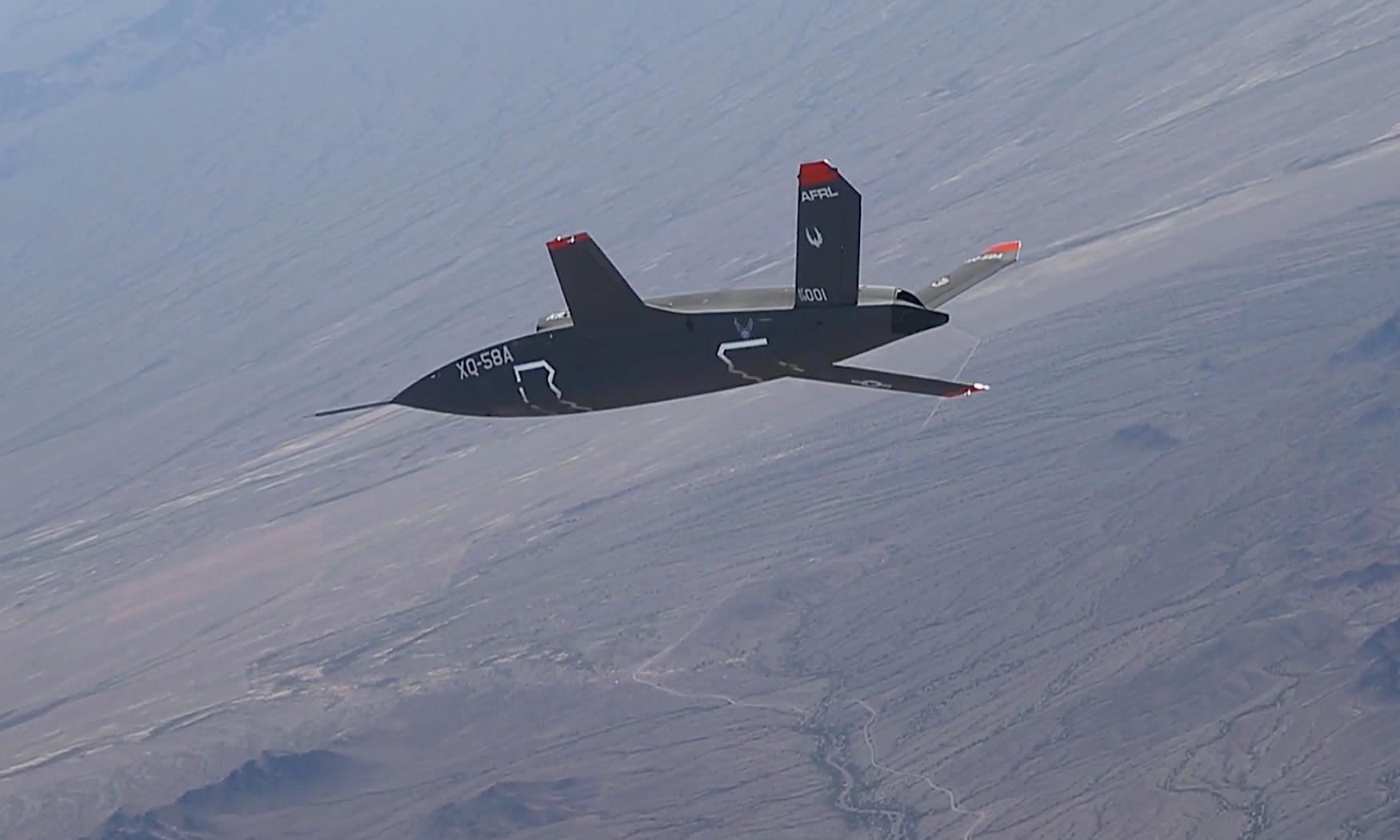
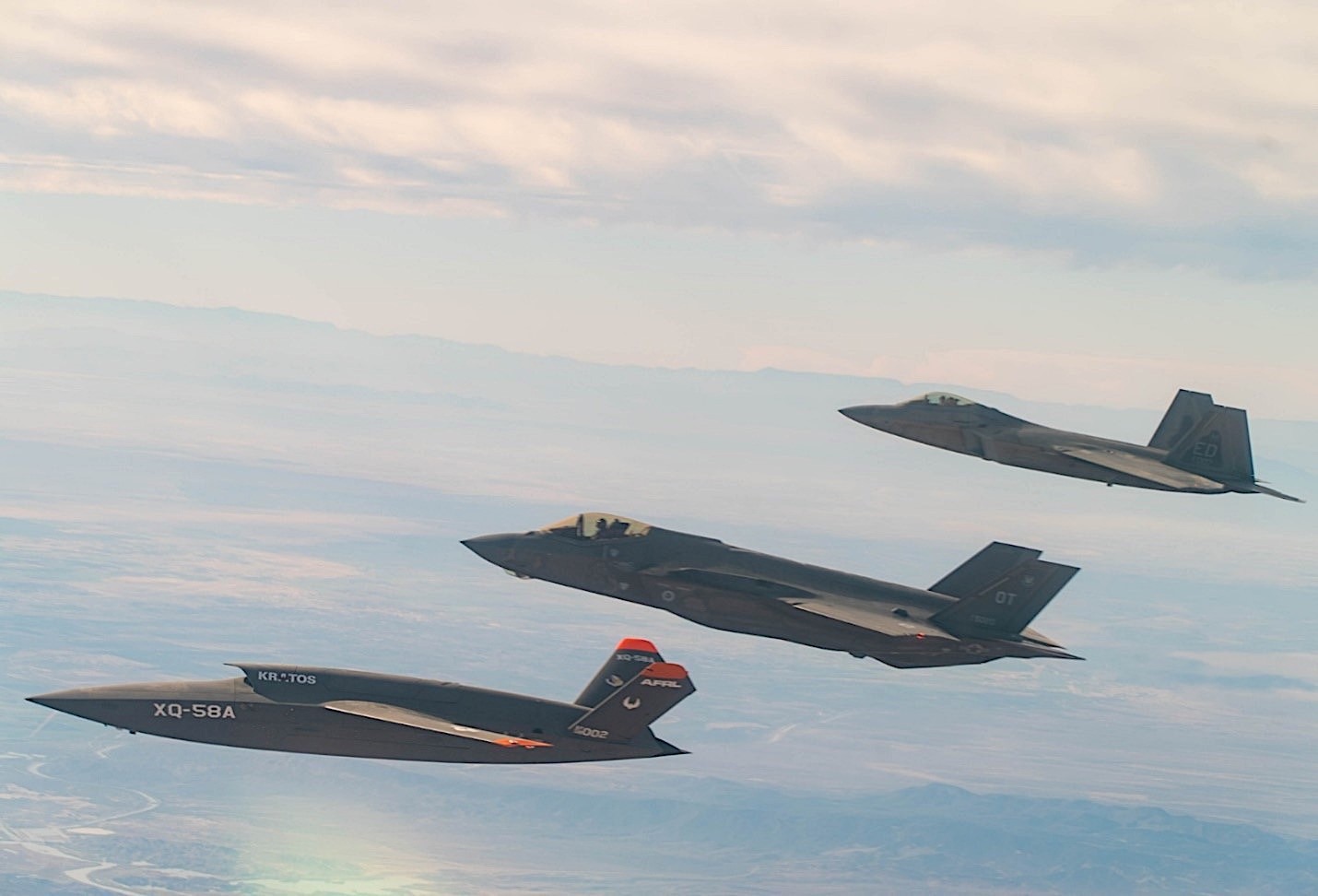
AFRL 已经测试了这样的设计,即 XQ-58A Valkyrie。该无人机由国防承包商奎托斯公司开发,最后一次飞行是在 2022 年夏天,证明了旨在支持 F-35 和 F-22 战斗机等军用飞机运行的无人机具有优点。
然而,在 2024 年 2 月底,所谓的第二代自主协作平台走到了聚光灯下。它被称为XQ-67A,由通用原子公司使用Valkyrie平台制造。
这架无人机的确切规格尚不清楚,除了它来自 Valkyrie 的事实。在标准配置中,奎托斯无人机能够以 652 英里/小时(1,050 公里/小时)的速度飞行,并到达 2,449 英里(3,941 公里)英里外的目标。它可以携带联合直接攻击弹药(JDAM)和小直径炸弹形式的武器。
这架无人机的涂装是XQ-67A,这是“第一种使用通用核心底盘建造和飞行的飞机类型”,以机外传感站(OBSS)配置飞行,这意味着没有武器。
OBSS的意思是,该平台可以收集无人机本身不使用的数据,而是飞机和它应该服务的其他系统使用的数据。一种远程触摸手臂,如果你愿意的话,无线连接到它的身体上。
这次试飞于2月底在加利福尼亚州帕姆代尔附近的通用原子公司格雷比尤特飞行运营设施进行,即使我们没有确切地被告知这意味着什么,它也被认为是成功的。
根据AFRL的说法,这次飞行的成功至关重要,因为它现在“为其他飞机种类在标准属底盘上快速复制铺平了道路”。 简而言之,这意味着制造无人机的成本将降低,生产速度将提高。
任何一方都没有提到这些无人机的生产版本何时会公开。
原文阅读
The U.S. Just Flew a Drone That May Become the Skeleton of Many Future Aircraft
Published: 5 Mar 2024, 15:15 UTC • By:Daniel Patrascu
Military drones are being made in large numbers now, and that means that somewhere on this Earth there are production lines for them. But the aircraft that rolls off these production lines, no matter their kind, are specialized at performing a specific task. That may change, as the U.S. is working on a common platform that can be adapted to serve more varied needs.
About a decade ago the American military kicked off an initiative called Low Cost Attritable Aircraft Technologies (LCAAT). It was an effort meant to come up with an aircraft production method called genus/species.
What that meant was the military was looking for a flying autonomous collaborative platform, the genus, from which a series of varied aircraft, the species, could be derived.
In the case of these drones, a common chassis could receive different aircraft kits, allowing for the rapid and less costly production of a specific machine.
The AFRL already tested such a design, the XQ-58A Valkyrie. Developed by defense contractor Kratos, the drone last flew in the summer of 2022, proving drones designed to support the operations of military aircraft the likes of the F-35 and F-22 fighter jets have merit.
At the end of February 2024, however, a so-called second generation of an autonomous collaborative platform stepped into the spotlight. It's called XQ-67A and it is made by General Atomics using the Valkyrie platform.
The exact specifications of this drone are not known, aside from the fact it is derived from the Valkyrie. In the standard configuration, the Kratos drone is capable of flying at speeds of 652 mph (1,050 kph) and reaching targets as much as 2,449 miles (3,941 km) miles away. It can carry weapons, in the form of Joint Direct Attack Munition (JDAM) and small-diameter bombs.
In XQ-67A clothes,
What OBSS means is that the platform could gather data that is not used by the drone itself but by the aircraft and other systems it is supposed to serve. A sort of remote touching arm, if you will, wirelessly attached to its body.
The test flight took place at the General Atomics Gray Butte Flight Operations Facility near Palmdale, California at the end of February, and it was deemed a success, even if we're not told exactly what that means.
The success of the flight is crucial, according to AFRL, as it now 'paves the way for other aircraft species to be rapidly replicated on a standard genus chassis.' And that, in a nutshell, means
There is no mention from either of the parties involved on when a production version of these drones will make it into the open.