相信涡轮增压。早在2007年公司就告诉
MotorTrend, '
大于500厘米的汽缸不太理想,所以它别无选择只能使用V8。'
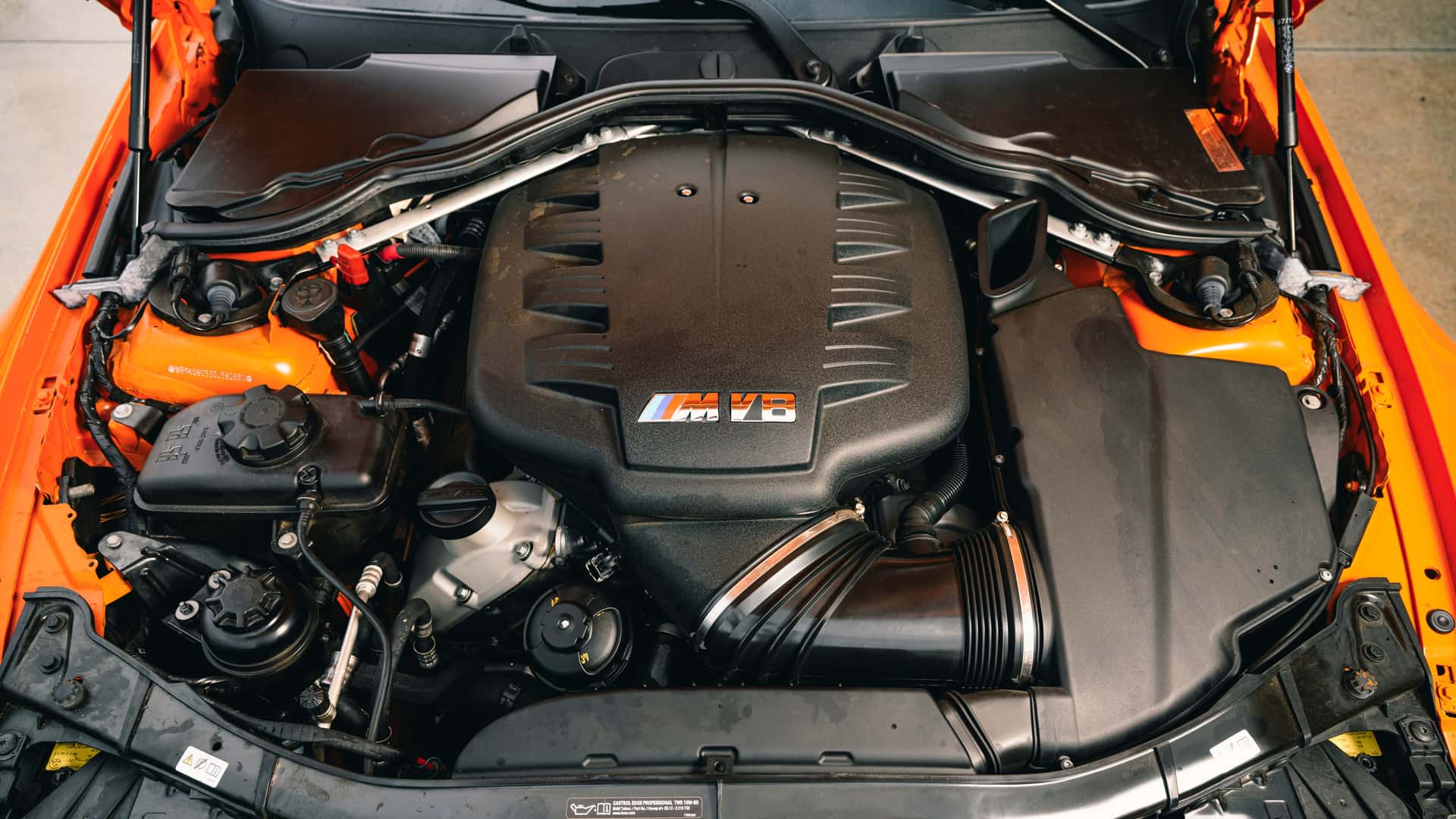
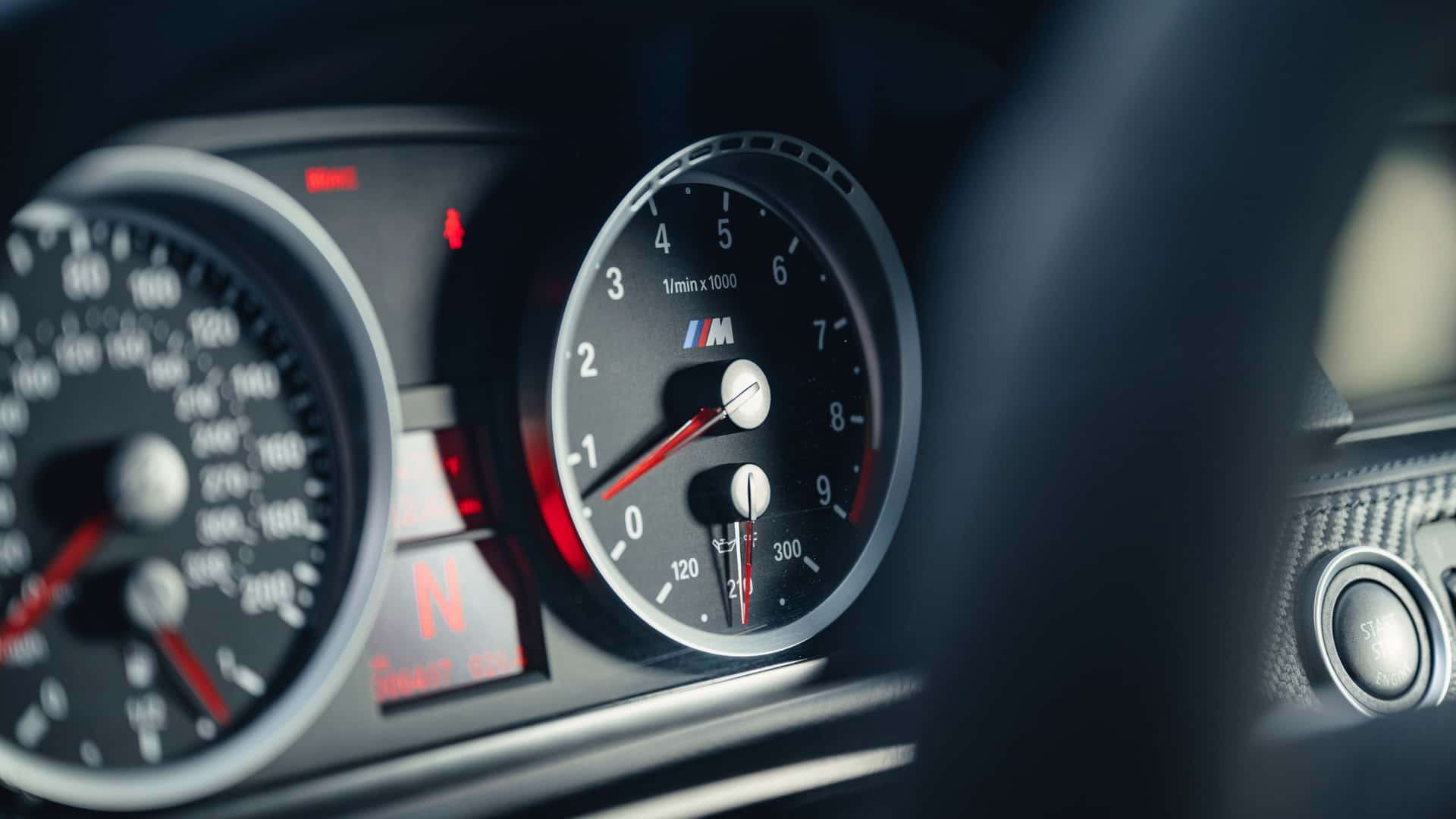
那是多么的V8。尽管它的位移比奥迪的8缸要小,但它的马力几乎和它差不多,新的时候的马力是414匹。M3引擎的转速也可能更高,在令人难以置信的8,400转速的限制器-仍然是最大的转速任何道路上的宝马引擎。这个模块是在同一个铸造厂里制造的,在那里,宝马-索伯创建了它的一级方程式发动机,而已经完成的发动机只有445磅--比之前的3.2升的直列六缸轻了33磅。
任何担心V8动力的M3可能不符合标志性的名牌的声誉,被塞进发动机舱后,人们开始驾驶它了。
'这是一款你每天都能驾驶的汽车,但它的性能水平却是成本两倍的汽车难以与之匹配,'
伊沃氏病
理查德·梅登在他的第一次驾驶评论中说。
Car and
Driver’现在的主编托尼·基罗加在一次三方比较测试中称宝马是'惊人的令人印象深刻的表演者'。
Road &
Track的肖恩贝利说,它的表现是'彻头彻尾的淘气蛋,使许多真正的运动车蒙羞。''
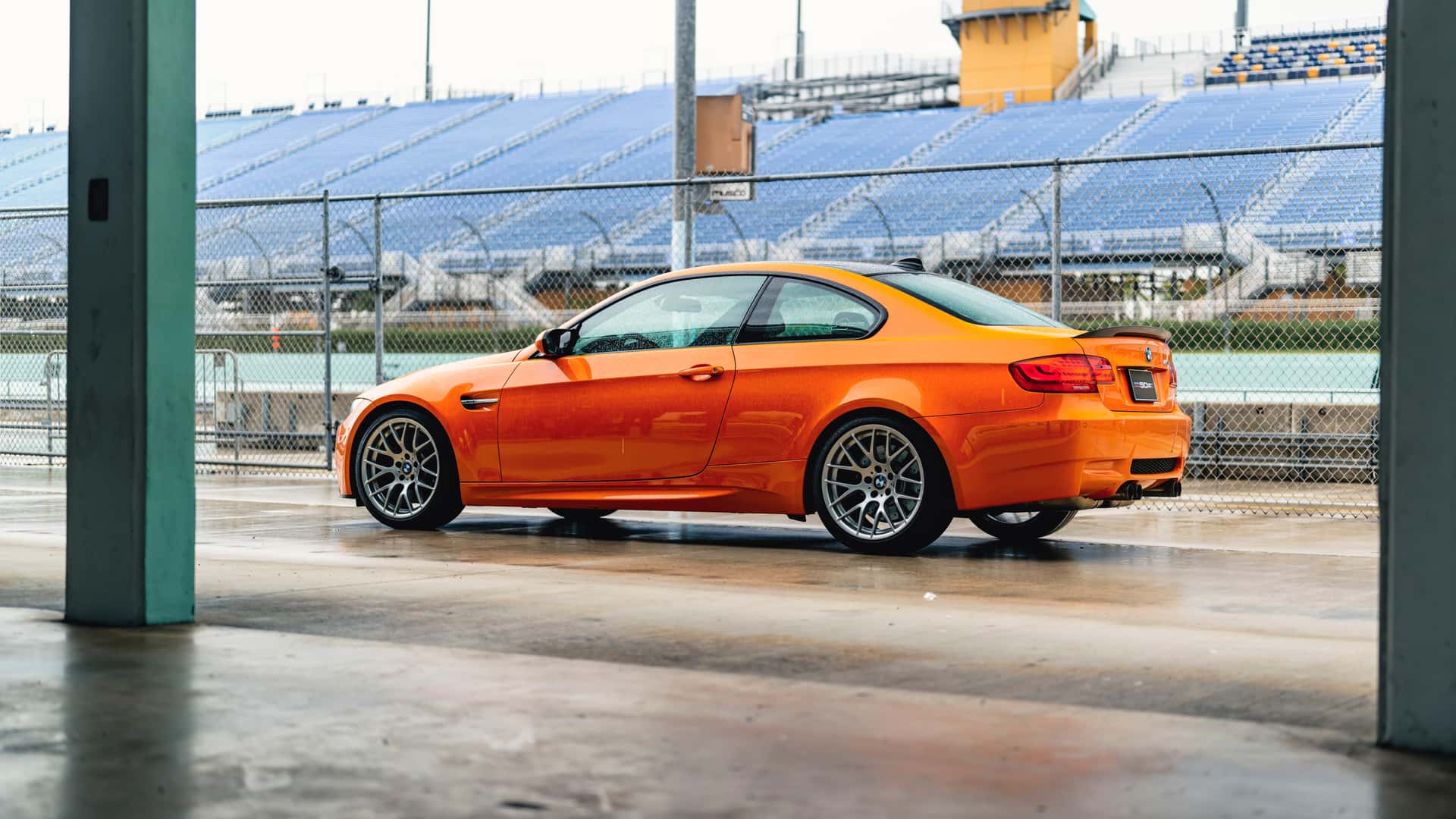
2024年,购买了一台V8功率的M3回家。即使是在其首次上市15年后,它还是让人觉得是宝马M最好、最完整的产品。作为一个日常驾驶员,它比之前的M3S更谦谦君子,更令人愉快,但它在跑道上更快,更有实力。在现代标准下,平衡爱好者们害怕失败的光辉比以往任何时候都更加灿烂。它的引擎是这个节目的明星,是的,但它并没有支配体验。液压转向,虽然不像E46那么直接的感觉,是美丽的加权和充满反馈。
 Any worries the
V-8-powered M3 might not live up to the iconic nameplate’s
reputation were squashed as soon as people got behind the wheel.
Any worries the
V-8-powered M3 might not live up to the iconic nameplate’s
reputation were squashed as soon as people got behind the wheel.
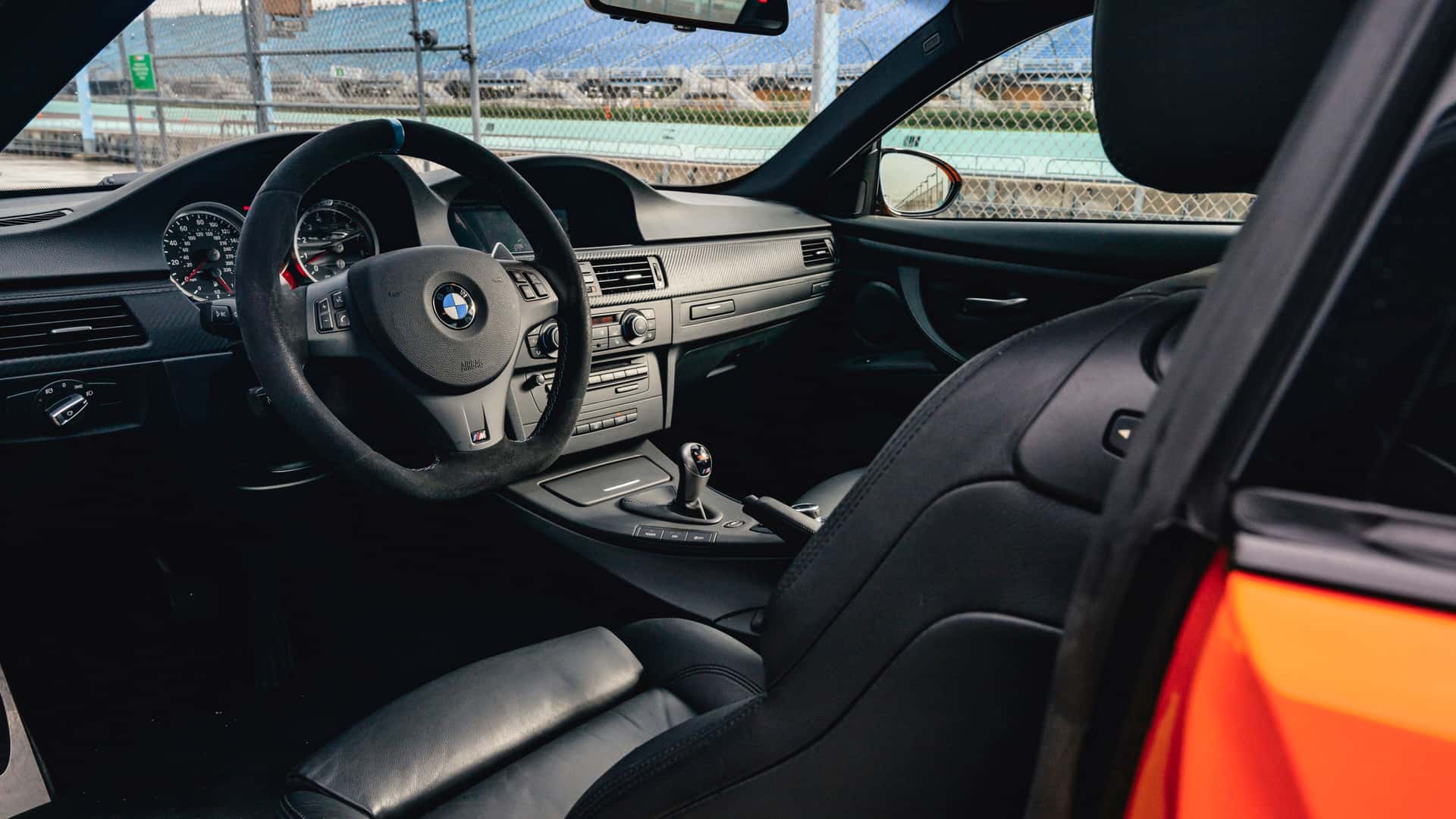
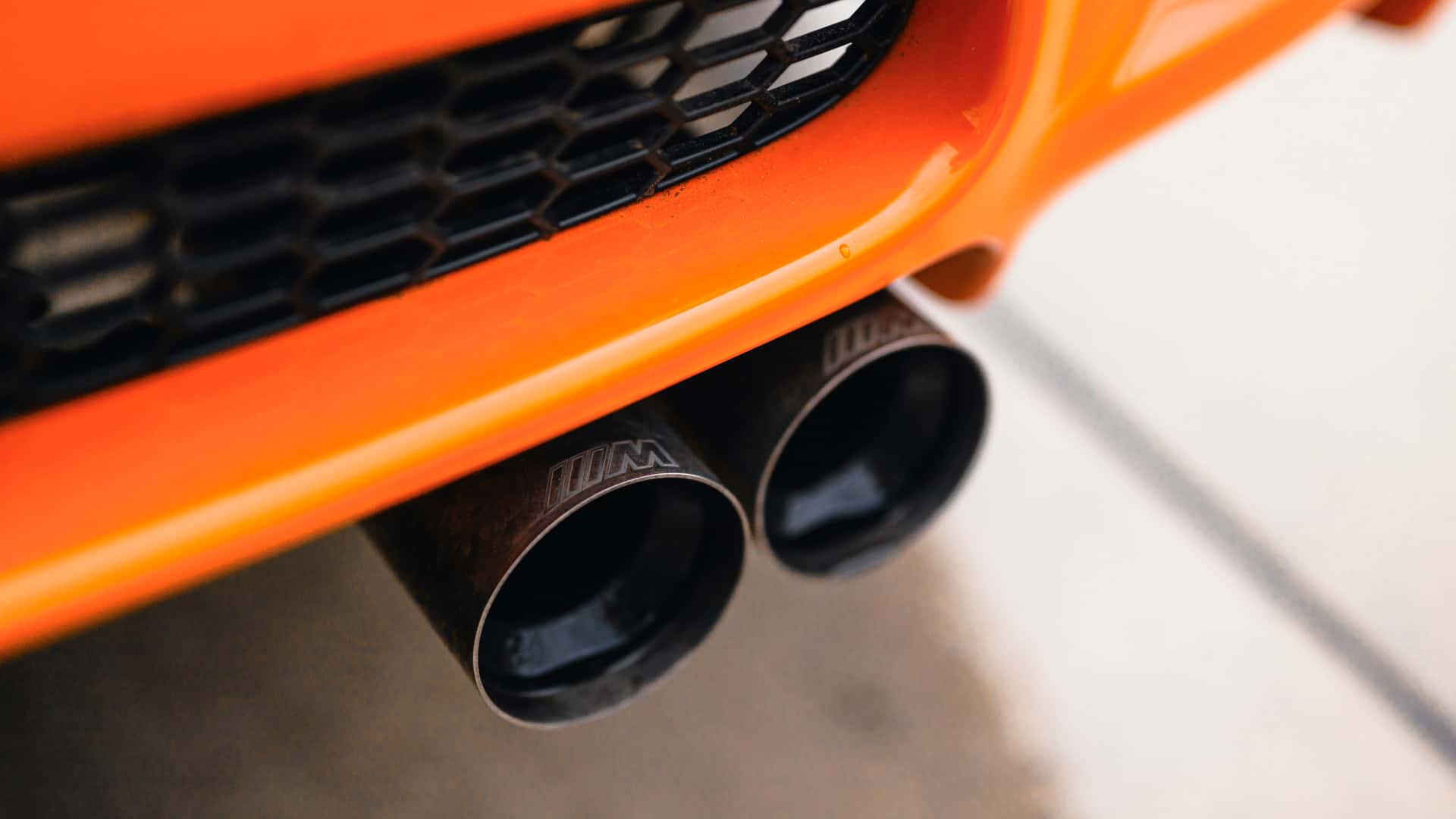
虽然后来的 M3
迭代演变成僵硬、渴望轮胎的漂移导弹,但这款导弹可以真正扮演日常驾驶员 3
系的角色,而无需任何有意义的妥协。真正的悬架行程使这辆车在破损的路面上友好,但又不会让人感到懒惰或沉重。而且有足够的技术和隔音效果,你不会觉得自己在驾驶过时的东西。
当然,刹车并不是最好的,七速双离合自动变速箱——最早进入市场的自动变速器之一——不如宝马的现代八速变矩器快,但与更现代的金属相比,既没有显着老化
的E92 也没有阻止它令人愉快。没有一丝兴奋消退。这辆车一直是,并将永远是 M3 的 M3。
这种平衡在赛车版本的方向盘后面更加明显。M3 GT,也被称为 M3
GT2,与它的街头兄弟姐妹几乎没有机械联系,但在方向盘后面大约十几圈后,很容易感觉到这种联系。
宝马在
布莱恩·雷德曼(Brian Redman)的Targa
66赛事的年度调整会议上,将我安排在传奇的美国勒芒系列赛中,这是一个每年在霍姆斯特德-迈阿密赛道举行的高端赛道日周末,价值八位数的汽车是常态。
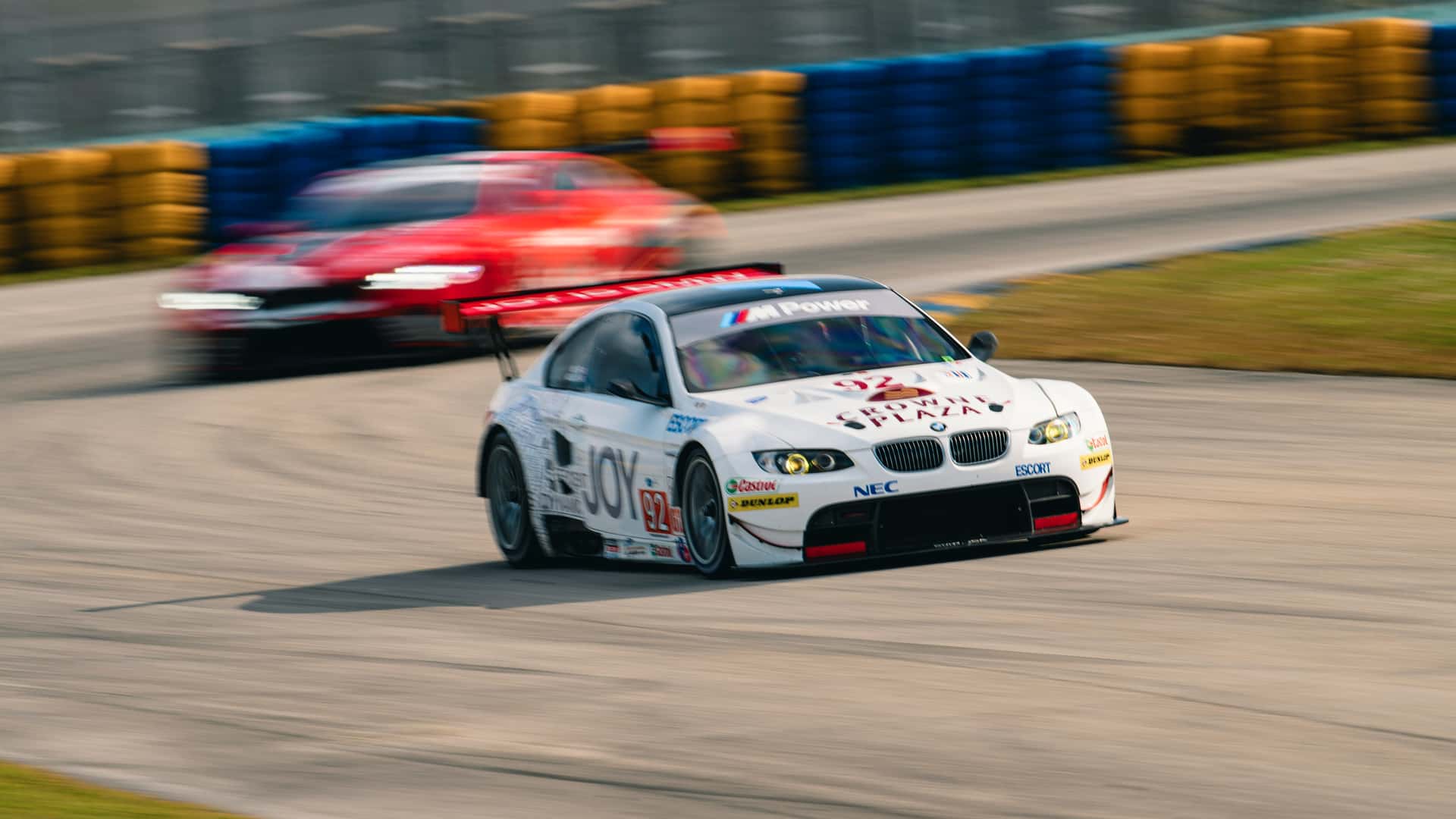
就像在街车上一样,M3 GT的灵魂生活在引擎盖下。虽然排量相同为 4.0 升,但铝制“P65”V8
发动机的每个部件都是为此应用定制的。金属块块直接用螺栓固定在底盘上,由于锻造内部件,转速可达 9500
rpm。也没有配重来平衡平面曲轴,这意味着不断涌动的振动试图重新排列您的器官。
一旦你把脚放在地板上,这些振动就会消失。就像街车中的 S65 一样,这款电机天生就是为了转速而生的。它在 5000 rpm
以上活跃起来,在尖叫红线时提供大而平稳的动力。到职业生涯结束时,这台发动机的功率达到了 500
马力——在一个四位数马力的超级跑车成为常态的世界里,这并不算多,但在一辆重约 3000
磅的汽车中,我坐在里面,下压力足以压扁一头大象,感觉就像是战斗机这边最快的东西。
M3
GT与公路版最大的不同之处在于变速箱。六速顺序变速箱不是直接用螺栓固定在发动机后部,而是以驱动桥形式安装在后部的差速器区域。这使得工程师能够将重量转移到汽车的后部,这反过来又在舱壁附近留出更多空间,以将发动机塞得尽可能低并尽可能靠近汽车的中心。总而言之,宝马能够获得
45/55 的前后重量平衡,非常适合转弯和加速。传动装置也非常短;我发现自己每圈多次抓住,以保持发动机足够快地旋转,以便在 3 号和
8 号弯等较慢的弯道中保持在动力范围内。
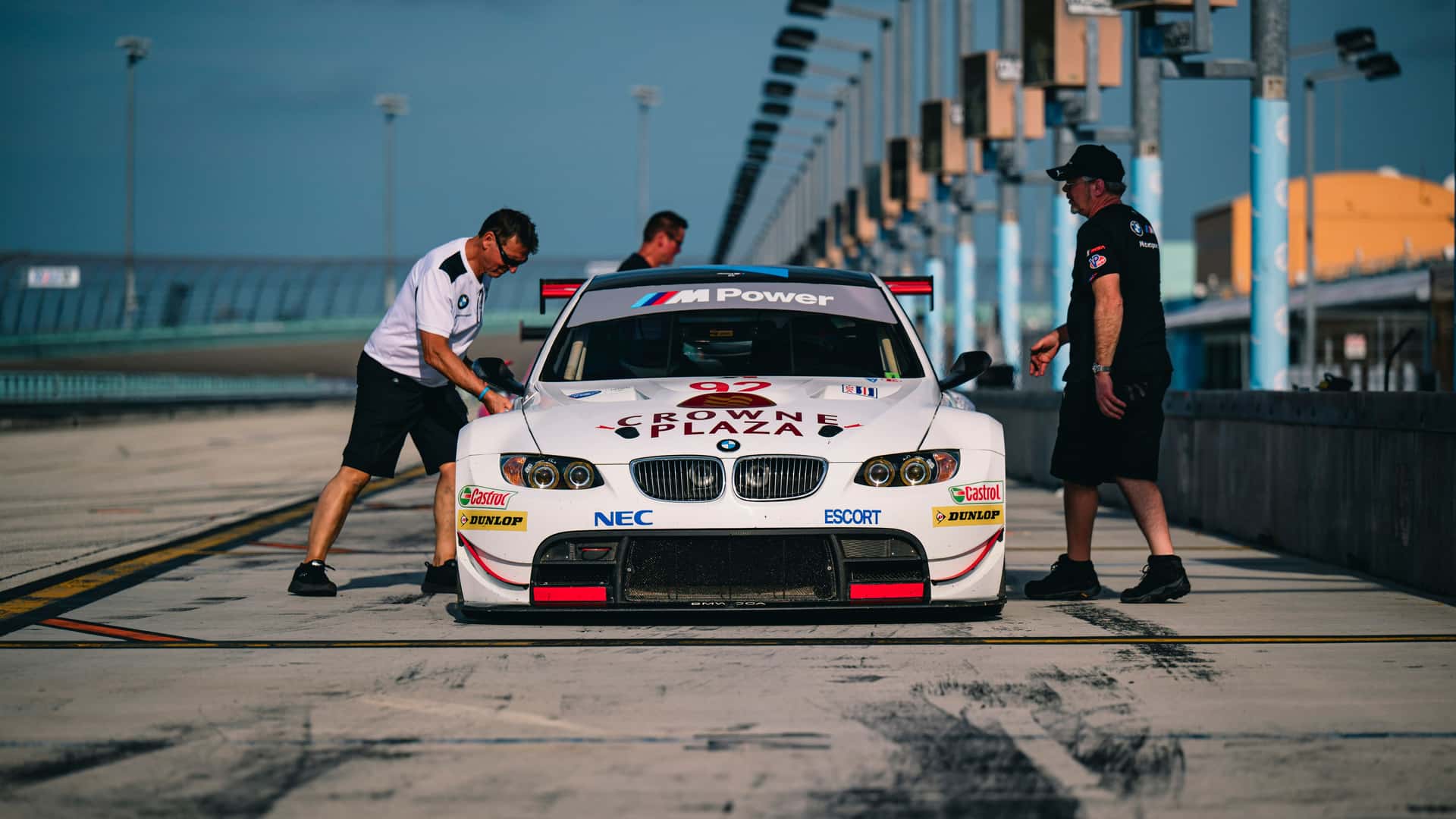
There’s no counterweight to balance the flat-plane
crankshaft, meaning a swell of vibrations trying constantly to
rearrange your organs.
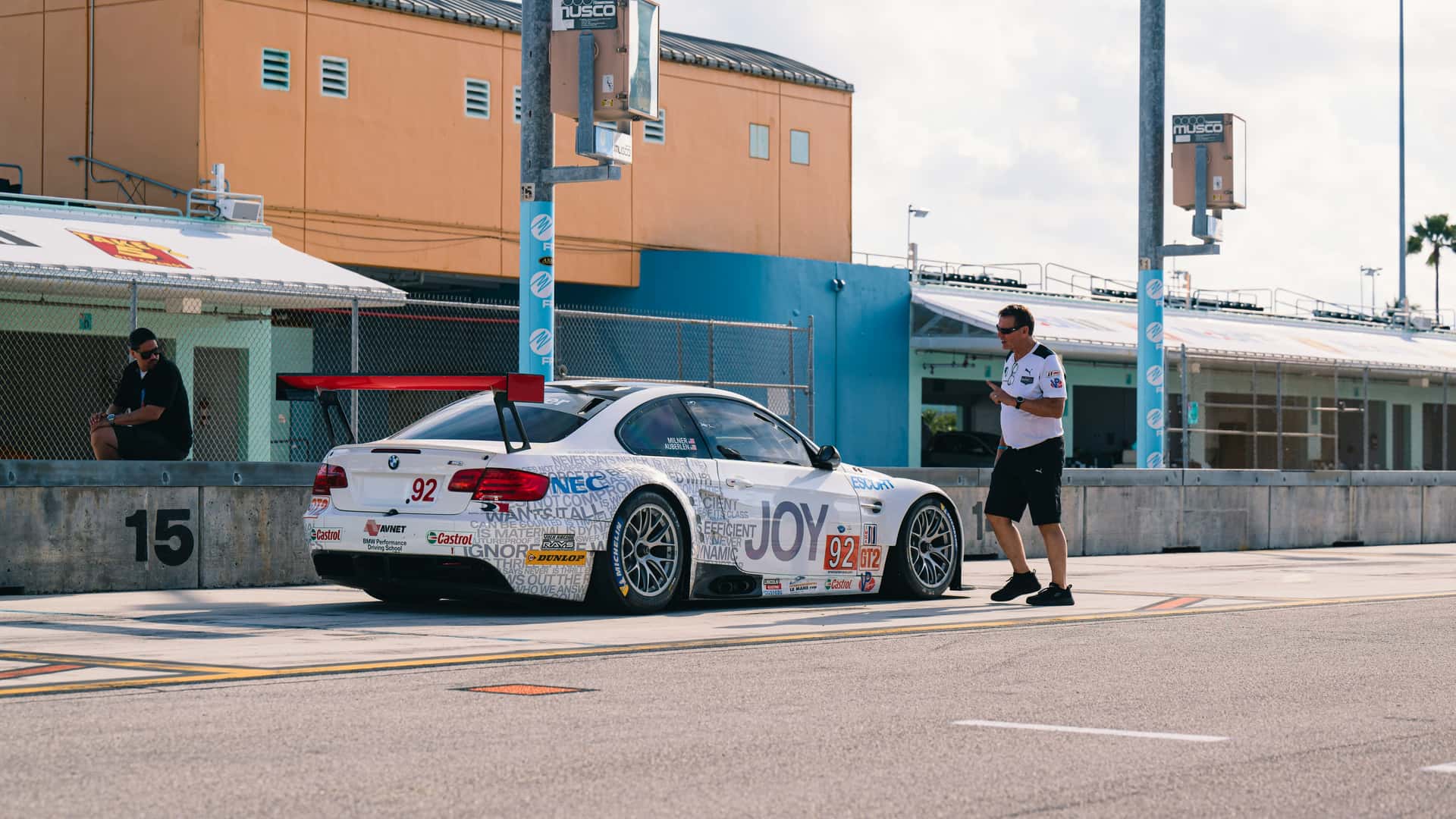
转向虽然不如
我在同一周末驾驶的现代
M8 GTE 快,但仍然比任何公路车快一英里。它非常精确且重量完美,可以很容易地将前端指向,就像瞄准每个顶点中心的导弹一样。制动器没有
ABS,但如果你走得足够快,你仍然可以在释放压力之前站在它们上面。而且由于它们是无辅助的,因此很容易进行精确调制。
E92开启了宝马在美国耐力赛成功的黄金时代。M3 GT 赢得了 2010 年和 2011 年 ALMS
锦标赛的冠军,在美国的整个职业生涯中总共赢得了 7 场胜利,其中包括赛百灵 12
小时耐力赛的胜利。该车的一个版本还在2010年赢得了纽博格林24小时耐力赛。
“他们制造过的最好的车,”长期担任宝马工厂司机的比尔·奥伯伦(Bill
Auberlen)在从方向盘后面出来时喊道。这里没有争论。
无论是在公路上还是在赛道上,V8 动力的 M3 都是宝马黄金时代的北极星。但它并不是唯一一款让该公司在 2000
年代后期享有完美声誉的产品。M5 和 M6 本身就是宝藏,配备了上帝自己的
自然吸气
V-10,灵感来自该公司的一级方程式努力。该发动机的功率超过 500 马力,与 M3 的发动机一样,转速超过 8000
rpm。想想这样一个高串的电机如何进入舒适的豪华轿车,这尤其疯狂。这是一个千载难逢的组合,我们肯定再也见不到了。
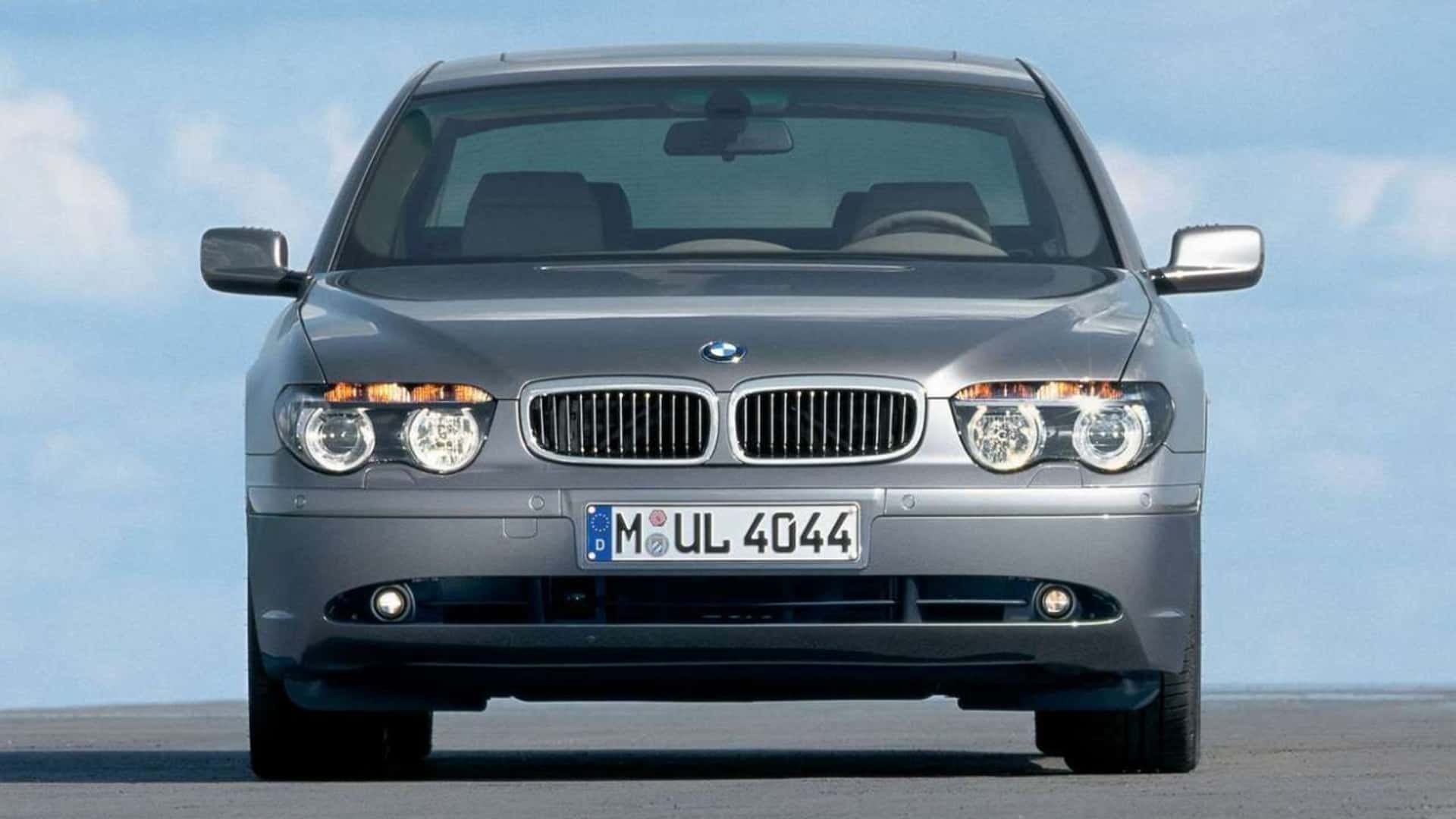
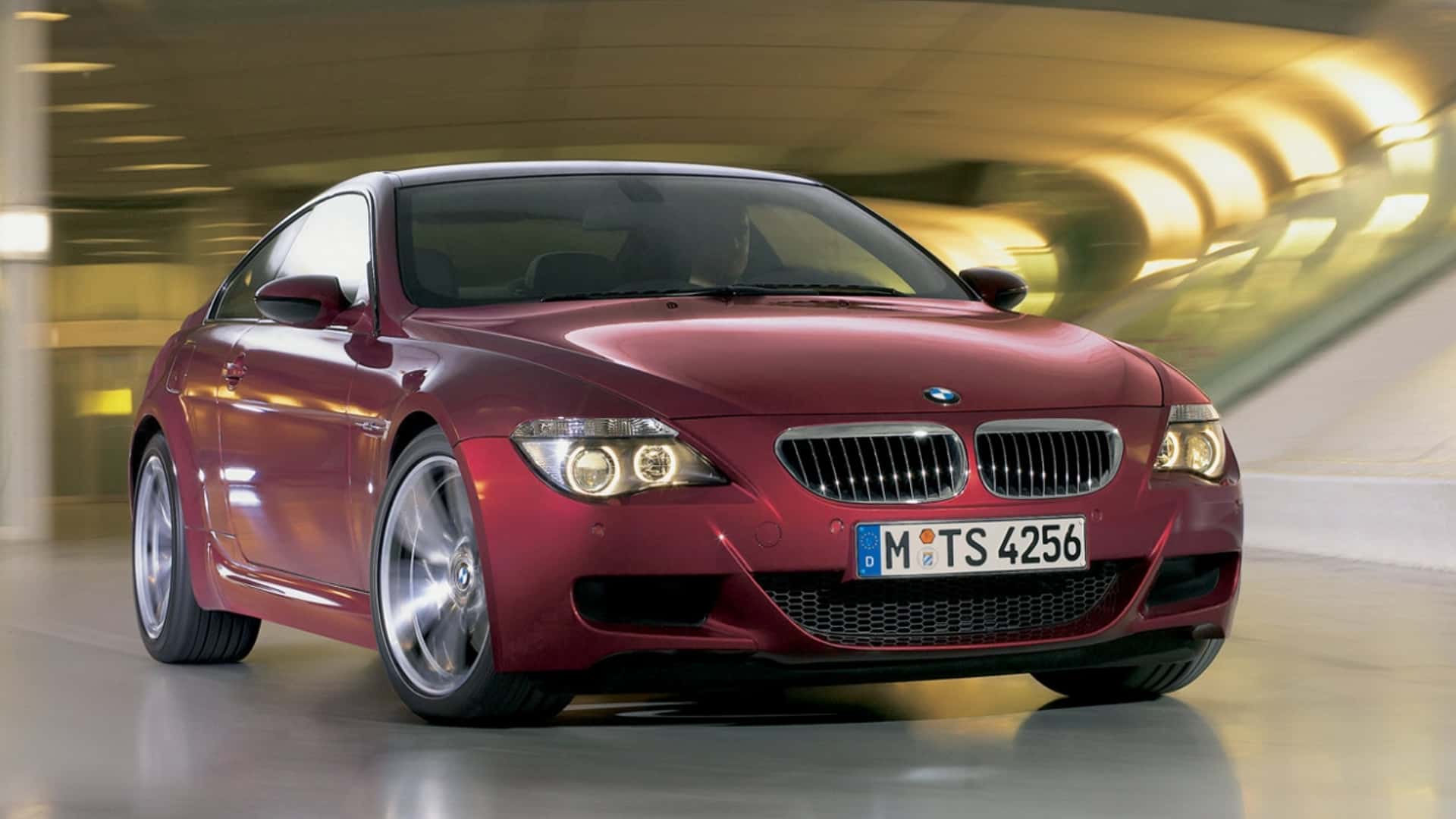
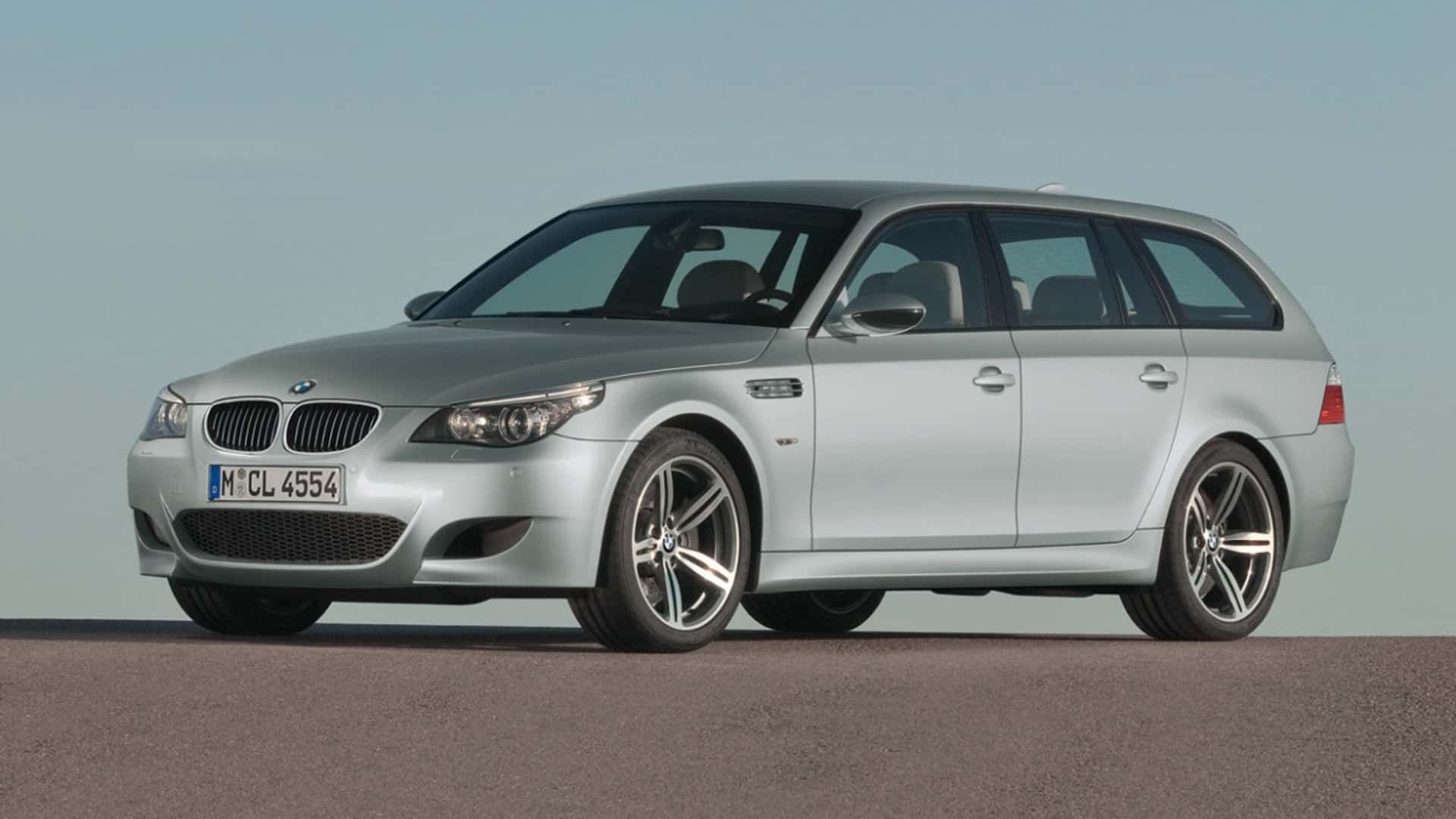
还有 7
系。尽管评论家们嘲笑设计总监克里斯·班格(Chris
Bangle)对2000年代初推出的E65一代汽车的两极分化,但它还是大受欢迎。与相对保守的竞争对手E38的背离让人们进入了大门。到运行结束时,E65
是有史以来最畅销的 7 系。其他手镯设计的汽车,如上面提到的 M5 和
M6,在新车时被认为是有争议的。现在,汽车界深情地记住了它们,它们是塑造了此后车辆设计的转折点。我认为这个时代是巅峰宝马。
也许最清晰地感觉到伟大有时直到多年后才被认可,可以从前
Top Gear 主持人克里斯·哈里斯 (Chris
Harris) 那里收集到。在 2014 年 Jalopnik 为 Bangle 辩护的一篇文章中,他说他最初认为 E60 代 5
系在 2003 年首次亮相时是“对巴伐利亚的犯罪”。现在
他拥有了一台。
这就是宝马对话的本质。有些人可能会同意哈里斯的观点,尽管我敢肯定,同样多的人认为他错了。有些人可能还认为宝马在 80
年代处于最佳状态,拥有
E30、
M1
和
Z1
等汽车。其他人可能认为宝马还没有达到顶峰。在驾驶了无数的宝马几十年的进步之后,我会坚持 2000 年代。
热门评论
推特很烂2024年3月19日,
下午12:04
我同意你关于迟到的 M3 的看法。我拥有一辆新的 '93 M3 北美版 e36,尽管我们住在欧洲,还有一辆新的 '98 M3
敞篷车,我今天仍然开着。爱得要死,但如果当时我没有另外三辆低里程 Bimmers,一辆新的 2009 M3 会很好。
从长远来看,我仍然更喜欢我的 2000 e38 740iL 而不是任何其他型号 7系。我有一堆优惠,可以打破 e38 的所有
Bring A Trailer 记录。
斯蒂芬·格洛弗·罗2024年3月19日,
上午4:01
今天的宝马是垃圾、廉价的塑料零件,在 五万英里后很容易断裂;几年前把宝马甩给了保时捷,这真是天壤之别。
原文阅读
The V-8 M3 Proves BMW Peaked In The Late 2000s
After driving a road car and the dominant racing version, it’s
easy to see why this generation of M will be worshiped
forever.
Mar 18, 2024 at 1:00pm ET
By: Brian
Silvestro
If your group of car friends is anything like the staff at
Motor1, you’re probably familiar with the “BMW
conversation,” an hours-long, heated discussion arguing over which
BMWs are good and which BMWs are bad. These conversations usually
end without resolution, only to start back up again as soon as
someone in the group chat mentions something about a WBS-coded VIN.
With so many legendary BMWs to choose from, it can be tough to pick
a favorite from the fray. After driving two of the most legendary
M3s ever, I think I’ve found mine.
Enthusiasts were apprehensive about the M3 switching to V-8 power
in 2007. The previous two generations, the
E36
and
E46
M3s, with their beautiful inline-sixes, proved to be two of the
most balanced German performance coupes ever made. People worried
adding two cylinders would add weight and turn what was once a
balanced, expertly measured machine into a brute.
The
E92
M3 was set to compete directly with Audi’s RS4 sedan, which
used a 4.2-liter naturally aspirated V-8 making 420 horsepower. And
at the time, the M division didn’t believe in turbocharging. Back
in 2007 the company told
MotorTrend, 'cylinders larger than
500cc are less than ideal, so it had no choice but to go to a
V-8.'
And what a V-8 it was. Despite having less displacement than Audi’s
eight-cylinder, the 4.0-liter S65 made nearly as much horsepower,
rated at 414 ponies when new. The M3’s engine could also rev
higher, slapping the limiter at a mind-boggling 8400 rpm—still the
most revs of any road-going BMW engine ever. The block was made in
the same foundry where BMW-Sauber created its Formula 1 power
plants, and the finished engine weighed just 445 pounds—33 pounds
fewer than the 3.2-liter inline-six that preceded it.
Any worries the V-8-powered M3 might not live up to the iconic
nameplate’s reputation were squashed as soon as people got behind
the wheel.
“It’s a car you could drive every day, yet it’s capable of
delivering a level of performance that cars costing twice as much
would struggle to match,”
Evo’s Richard Meaden said in his
first drive review.
Car and Driver’s now-editor-in-chief
Tony Quiroga called the BMW an “astonishingly impressive performer”
in a three-way comparison test between it, an RS4, and a Mercedes
C63 AMG.
Road & Track’s Shaun Bailey said its
performance was “downright silly and put many true sports cars to
shame.”
Wheeling a V-8-powered M3 in 2024 drives the point home. Even 15
years after its debut, it feels like the best, most complete
product BMW M has ever built. It’s more civilized and agreeable as
a daily driver than the M3s that came before it, yet it’s faster
and more capable on a race track. The balance enthusiasts were
afraid of losing shines brighter than ever by modern standards. Its
engine is the star of the show, yes, but it doesn’t dominate the
experience. The hydraulic steering, while not as outright feelsome
as an E46, is beautifully weighted and full of feedback.
Any worries the V-8-powered M3 might not live up to
the iconic nameplate’s reputation were squashed as soon as people
got behind the wheel.
Whereas later iterations of the M3 evolved into stiff, tire-hungry
drift missiles, this one can truly play the part of a daily-driver
3 Series without any meaningful compromise. There’s real suspension
travel that makes this car friendly on broken pavement, but not so
much that it feels lazy or heavy on its feet. And there’s enough
tech and sound insulation that you don’t feel like you’re driving
something outdated.
Sure, the brakes aren’t the greatest and the seven-speed
dual-clutch automatic—among the first to make it to the
market—isn’t as quick as BMW’s modern eight-speed torque
converters, but neither significantly ages the E92 or keeps it from
being enjoyable compared to more modern metal. None of the
excitement has dulled. This car has been, and will always be, the
M3 of M3s.
That balance is more evident behind the wheel of the racing
version. The M3 GT, also known as the M3 GT2, shares little
mechanically with its street-going sibling, but after about a dozen
laps behind the wheel, it’s easy to sense the connection.
BMW was kind enough to put me in its legendary American Le Mans
Series contender during its annual shakedown session at
Brian Redman’s Targa 66 event, a
high-end track day weekend held annually at Homestead-Miami
Speedway where cars worth eight figures are the norm.
Like in the street car, the M3 GT’s soul lives under the hood.
While displacement is the same 4.0 liters, every part in the
aluminum “P65” V8 engine is bespoke to this application. The lump
is bolted directly to the chassis and revs to 9500 rpm thanks to
forged internals. There’s also no counterweight to balance the
flat-plane crankshaft, meaning a swell of vibrations trying
constantly to rearrange your organs.
Those vibrations disappear once you put your foot to the floor.
Like the S65 in the street car, this motor was born to rev. It
comes alive over 5000 rpm, delivering big, smooth power as it
screams to redline. By the end of its career, this engine was
making 500 hp — not a lot in a world where four-figure-hp supercars
are the norm, but in a car that weighs around 3000 pounds with me
in it and enough downforce to flatten an elephant, it felt like the
fastest thing this side of a fighter jet.
Where the M3 GT differs most from its road-going counterpart is the
transmission. Instead of being bolted directly to the back of the
engine, the six-speed sequential gearbox is mounted in the
differential area out back in a transaxle format. This allowed
engineers to shift weight towards the rear of the car, which in
turn allowed more space near the bulkhead to tuck the engine as low
and as close to the center of the car as possible. In all, BMW was
able to get a 45/55 front-to-rear weight balance, ideal for
cornering and acceleration. The gearing is also incredibly short; I
found myself grabbing first year multiple times per lap to keep the
engine spinning quickly enough to stay in the powerband through
slower corners like turns 3 and 8.
There’s no counterweight to balance the flat-plane
crankshaft, meaning a swell of vibrations trying constantly to
rearrange your organs.
The steering, while not as quick as the modern M8 GTE
I drove the same weekend, is still quicker than any road car by
a mile. It’s incredibly precise and perfectly weighted, making it
simple to point the front end like a guided missile aimed at the
heart of every apex. The brakes come without ABS, but if you’re
going fast enough you can still stand on them before having to
bleed off pressure. And because they’re unassisted, pinpoint
modulation is easy.
The E92 led to the golden age of BMW’s endurance racing success in
America. The M3 GT won the 2010 and the 2011 ALMS championships,
with seven total wins throughout its career in the U.S., including
a victory at the 12 Hours of Sebring. A version of the car also won
the 24 Hours of the Nürburgring in 2010.
“Best car they ever made,” longtime BMW factory driver Bill
Auberlen shouts as he emerges from a session behind the wheel. No
arguments here.
Whether on road or track, the V8-powered M3 is the north star to
BMW’s golden age. But it wasn’t the only product that gave the
company its flawless late 2000s reputation. The M5 and M6 were
treasures in their own rights, equipped with god’s own
naturally aspirated V-10, inspired by the company’s Formula 1
efforts. The engine delivered over 500 hp and, like the M3’s
engine, redlined at more than 8000 rpm. It’s especially wild to
think about how such a high-strung motor could make its way into a
comfy luxury sedan. It was a once-in-a-lifetime combo that we’ll
surely never see again.
There was also the 7 Series. Though critics scoffed at design chief
Chris Bangle’s polarizing pitch for the E65-generation car
introduced in the early 2000s, it was a sales hit. The departure
from its comparatively conservative competitor, the E38, got people
through the door. By the end of its run, the E65 was the
best-selling 7 Series ever. Other Bangle-designed cars, like the M5
and M6 mentioned above, were considered controversial when they
were new. Now, the car community remembers them fondly as turning
points which shaped vehicle design thereafter. I consider the era
Peak BMW.
Perhaps the clearest sense of how greatness sometimes isn’t
recognized until years later can be gleaned from former
Top
Gear host Chris Harris. In a 2014 Jalopnik article defending
Bangle, he says he originally considered the E60-generation 5
Series a “crime against Bavaria” when it debuted in 2003. Now
he owns one.
Such is the nature of the BMW conversation. Some people might agree
with Harris, though I’m sure an equal amount think he’s as wrong as
can be. Some people might also believe that BMW was at its best in
the ‘80s with cars like the
E30,
M1,
and the
Z1.
Others might think BMW has yet to reach its peak. Having driven
countless BMWs spanning decades of progress, I’ll stick with the
2000s.


