特斯拉电池供应商松下因电动汽车需求减弱而撤回扩张计划
2024-06-09 09:41阅读:
松下正在修改其雄心勃勃的目标,并可能将其原定在北美的部分产能转移到日本市场 作者:
山姆·史密斯(Sam
D.Smith) 
- 松下将取消其 2030 年目标,以实现 4 倍的产能和 3 倍的收入目标。
- 该公司表示,它仍然致力于实现目标,但达到目标的日期不再重要。
- 这家电池制造商可能会转移北美供应以满足日本的需求。
松下认为,在短时间内将电动汽车
电池产量翻两番的做法是不明智的。不到一年前,这家日本电池制造商宣布打算在2030财年末将全球生产和采购能力从50
GWh提高到200 GWh。
该公司为
包括特斯拉和
Lucid在内的多家汽车制造商提供电池,宣布将停止其雄心勃勃的扩张计划。虽然该公司表示仍将达到200GWh的产能目标,但该日期已从2030年移至待定。松下还下调了其目标,在同一时期将收入增加两倍。
相关阅读:3月美国电动汽车销量增长3.8%,特斯拉下降12%
该公司高管的重新评估是由北美电动汽车销售普遍放缓引发的。虽然在美国道路上注册的电动汽车数量创下历史新高,但增长已经开始放缓,多项研究仍然表
明,缺乏充电基础设施和高昂的购买成本困扰着有关买家的心。
“从目前的市场来看,我们决定,与其执着于(目标)数字,更重要的是以可观的利润和一定的市场份额为目标,”松下首席执行官Kazuo
Tadanobu说
。
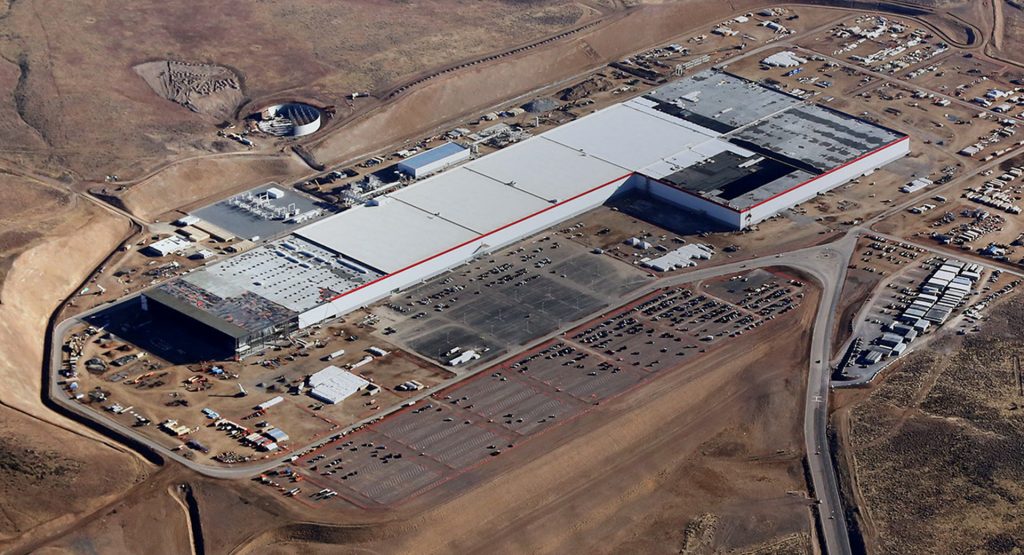
松下与特斯拉合作投资了两家美国工厂,一家位于内华达州,另一家位于堪萨斯州。然而,它错过了原定于3月发布的公告。该计划是透露第三家北美工厂的细节。然而,Tadanobu告诉记者,他没有进一步的信息可以分享这方面的信息,但已经对这些信息进行了评估,以便在需要时做出“迅速决定”。
虽然北美BEV需求放缓,但松下看到了日本市场的潜力。该公司已经在与同胞斯巴鲁和
马自达就圆柱形锂离子电池的供应进行谈判。这家电池制造商可能会将其部分国内产能(原定用于北美客户)转而生产日本电动汽车的电池。
 标签 电池
电动汽车
日本
LUCID
马自达报道
斯巴鲁
特斯拉美国
原文阅读
标签 电池
电动汽车
日本
LUCID
马自达报道
斯巴鲁
特斯拉美国
原文阅读
Tesla Battery Supplier Panasonic Walks Back Expansion
Plans Due To Waning EV Demand
Panasonic is revising its ambitious goals and may divert some of
its capacity originally slated for North America to the Japanese
market
by
Sam D.
Smith
June 7, 2024 at 15:00
- Panasonic will remove its 2030 target to achieve 4x
capacity and 3x revenue goals.
- The company says that it still aims to hit targets, but
a date to reach them is no longer important.
- The battery maker may divert North American supply to
fulfill Japanese demand.
Panasonic has decided its course of quadrupling EV
battery production in
a short space of time was ill-advised. Little under a year ago, the
Japanese battery manufacturer announced its intention to increase
global production and procurement capacity from 50 GWh to 200 GWh
by the end of the 2030 fiscal year.
The company, which supplies batteries to several automakers,
including
Tesla
and
Lucid,
announced that it will put the brakes on its ambitious expansion
plans. While it says it will still hit that 200 GWh capacity goal,
the date has moved from 2030 to TBD. Panasonic has also revised
down its aim to triple revenue in the same period.
Read:
U.S. EV Sales Up 3.8% And Tesla Down 12% In
March
The reassessment by the company’s executives has been triggered by
the prevalent slow-down seen across the sales of EVs in North
America. While a record number of EVs are being registered on
American roads, growth has begun to taper off, with multiple
studies still suggesting that a lack of charging infrastructure and
high purchase costs weigh on the minds of concerned buyers.
“Looking at the current market, we decided that rather than be
fixated on the [target] number, it’s more important to aim for a
decent profit and a certain amount of market share,” says Panasonic
CEO Kazuo Tadanobu, quoted by
Nikkei Asia.
Panasonic has invested in two U.S.-based factories in partnership
with Tesla, with one in Nevada and another under construction in
Kansas. However, it missed an announcement that was due to take
place in March. The plan was to reveal details on a third North
American plant. However, Tadanobu told reporters that he had no
further information to share on that front, but that information
had been evaluated to make a “speedy decision” if the need
arises.
While North American BEV demand slows, Panasonic sees potential in
the Japanese market. The company is already in talks with
compatriots Subaru and
Mazda over the supply of
cylindrical lithium-ion batteries. The battery maker may divert
some of its domestic production capacity, which had been earmarked
for North American customers, to instead make batteries for
Japanese EVs.

