汽车制造商联合起来反对新的AEB规则,声称它们太昂贵且不切实际
2024-06-27 10:46阅读:
副标题:宝马、福特、法拉利、起亚等公司认为新规则的成本效益不够 作者:
斯蒂芬·里弗斯(Stephen
Rivers) 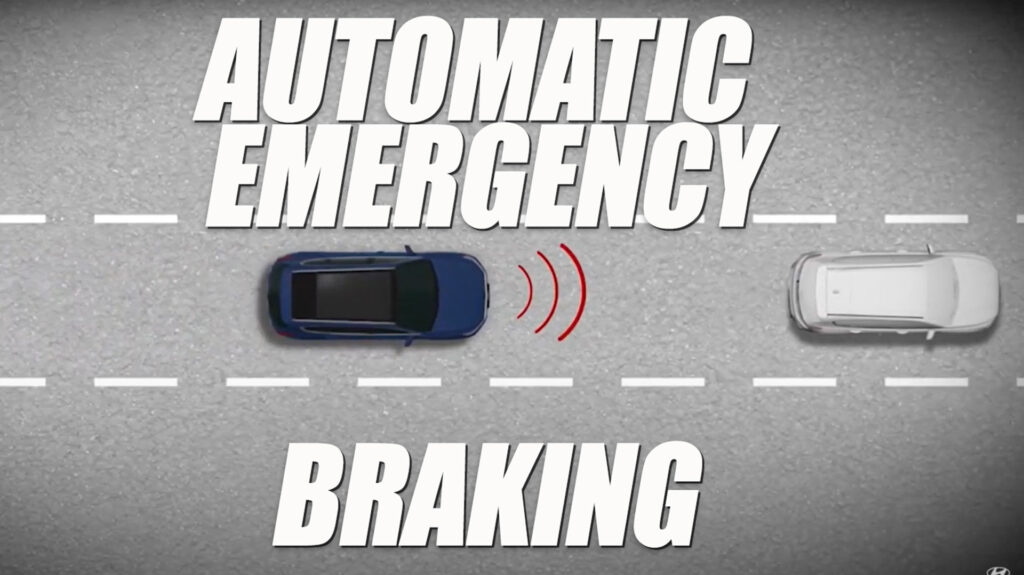
- 自动紧急制动(AEB)技术是有效的,但监管机构希望它得到改进。
- 一些汽车制造商表示,提出的要求不切实际且过于昂贵。
-
如果没有任何变化,汽车制造商将不得不安装时速高达62英里/小时(100公里/小时)的AEB技术。
驾驶员安全技术每天都在以一种安静而强大的方式挽救生命。与此同时,其中一些技术也带来了意想不到的问题。现在,美国的监管机构希望汽车制造商能够以高达62英里/小时的速度实现自动紧急制动,而Stellantis、梅赛德斯和本田等品牌对此并不满意。
汽车创新联盟 (AAI) 是一个游说组织,其历史可以追溯到 1960 年代,包括
Stellantis、本田、现代、起亚、
宝马、梅赛德斯、通用汽车、福特、法拉利、五十铃、马自达、丰田、日产、三菱、迈凯轮、捷豹路虎、大众、沃尔沃等。
阅读:116
万辆吉普车、克莱斯勒、道奇和 Ram 车型因倒车摄像头故障而被召回
据
《华尔街日报》报道,AAI针对NHTSA新AEB规则的部分内容提交了请愿书。2016
年,几家汽车制造商自愿同意将 AEB 添加到其大多数车型中,IIHS 希望使其 AEB 测试协议
更加严格。
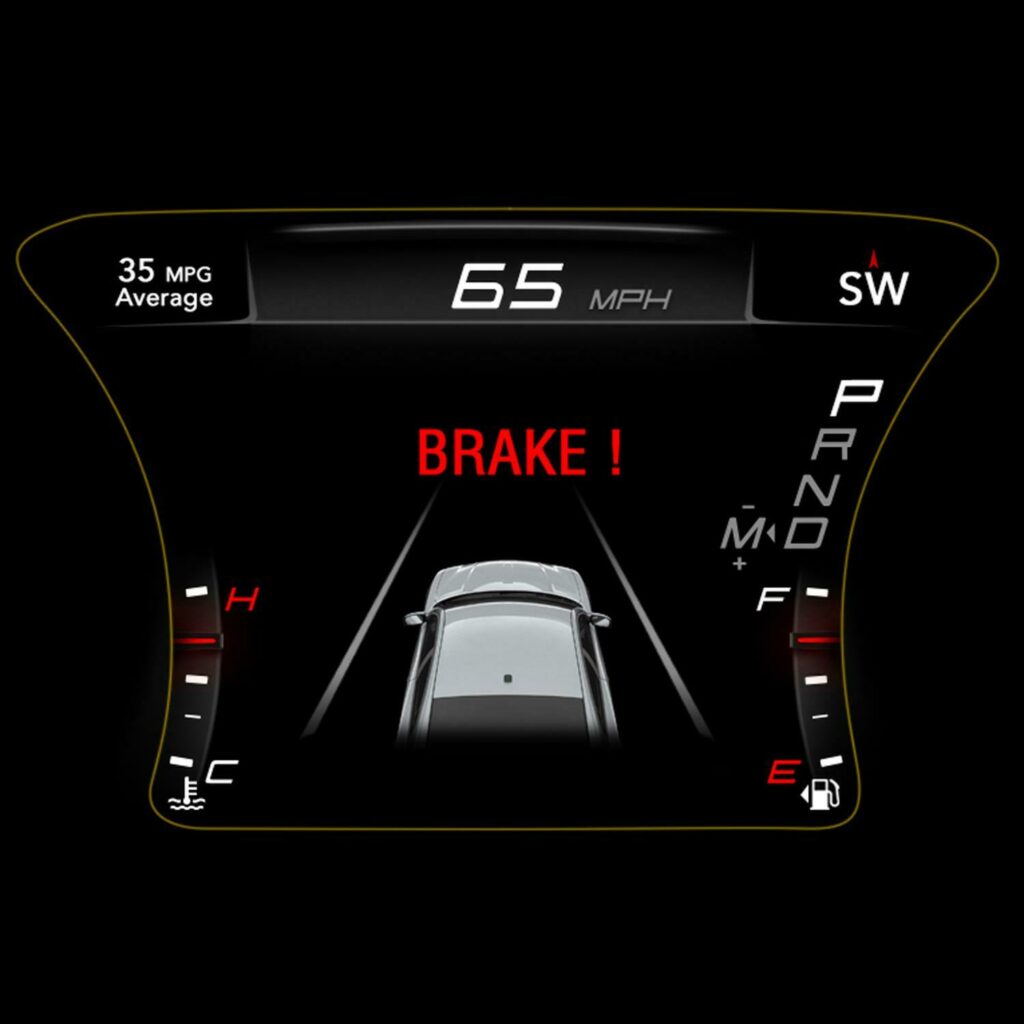
最新规则规定,AEB系统能够以高达90英里/小时的速度自动制动,并有效地避免以高达62英里/小时的速度与另一辆车发生碰撞。
“我们今天最终确定的新车辆安全标准每年将挽救数百人的生命并防止数万人受伤,“交通部长皮特·布蒂吉格(Pete
Buttigieg)在通过时在一份声明中说。
然而,汽车制造商认为新规则过于昂贵且不够有效,并补充说他们必须将额外成本转嫁给消费者。“是的,这项规定将使车辆更加昂贵,但真正的问题不是成本,而是成本/收益......[它]将需要更昂贵的系统,这些系统不会提高驾驶员或行人的安全性,“汽车创新联盟主席John
Bozzella说。
数据似乎表明,现实情况要复杂得多。一些现代驾驶辅助系统表现出严重的设计缺陷,偶尔会
使驾驶员处于危险境地。但与此同时,毫无疑问,AEB和其他驾驶辅助技术
挽救了生命。
 标签 宝马
博世
法拉利
福特
通用
本田
现代
五十铃
捷豹
起亚路虎
马自达
梅赛德斯
三菱
日产
保时捷报告
安全报告
STELLANTIS
标签 宝马
博世
法拉利
福特
通用
本田
现代
五十铃
捷豹
起亚路虎
马自达
梅赛德斯
三菱
日产
保时捷报告
安全报告
STELLANTIS、
斯巴鲁
、丰田
优步 VINFAST、
沃尔沃
大众
原文阅读
Automakers Unite Against New AEB Rules, Claim They Are
Too Expensive And Impractical
BMW, Ford, Ferrari, Kia, and more think new rules are not cost
effective enough
by
Stephen
Rivers
- Automatic emergency braking (AEB) technology is
effective but regulators want it to improve.
- Several automakers say that the demands put forth are
impractical and too expensive.
- If nothing changes, automakers will have to install AEB
tech that works up to 62 mph (100 km/h).
Driver safety technology is saving lives every day in a quiet but
mighty way. At the same time, some of that tech creates unexpected
problems. Now, regulators in the USA want automakers to enable
automatic emergency braking at up to 62 mph and brands like
Stellantis, Mercedes, and Honda are not happy.
The Alliance for Automotive Innovation (AAI) is a lobbyist
organization with ties back to the 1960s and includes Stellantis,
Honda, Hyundai, Kia,
BMW, Mercedes, GM, Ford,
Ferrari, Isuzu, Mazda, Toyota, Nissan, Mitsubishi, McLaren, Jaguar
Land Rover, Volkswagen, Volvo, and more.
Read:
1.16 Million Jeep, Chrysler, Dodge, And Ram Models Recalled
For Reverse Camera Fails
According to
The Wall Street Journal, the AAI filed a petition against parts
of NHTSA’s new AEB rules. In 2016, several carmakers voluntarily
agreed to add AEB to the majority of their models, with IIHS
wanting to make its AEB testing protocol
more stringent.
The latest rules dictate AEB systems to be able to automatically
apply braking at speeds of up to 90 mph and work effectively to
avoid a collision with another vehicle at up to 62 mph. “The new
vehicle safety standards we finalized today will save hundreds of
lives and prevent tens of thousands of injuries every year,”
Transportation Secretary Pete Buttigieg said in a statement at the
time it was passed.
However, automakers believe the new rules to be simply too
expensive and not effective enough, adding that they’ll have to
pass the extra cost to the consumer. “Yes, this rule will make
vehicles more expensive, but the real issue isn’t cost—it’s
cost/benefit… [it] will require more costly systems that won’t
improve driver or pedestrian safety,” says John Bozzella, president
of the Alliance for Automotive Innovation.
Data seems to indicate that the reality is far more complex.
Several modern driver aids have exhibited serious design flaws,
putting occasionally
drivers in dangerous situations. But at the same time, there’s
no question that AEB and other driver-assistance technologies
have saved lives.

